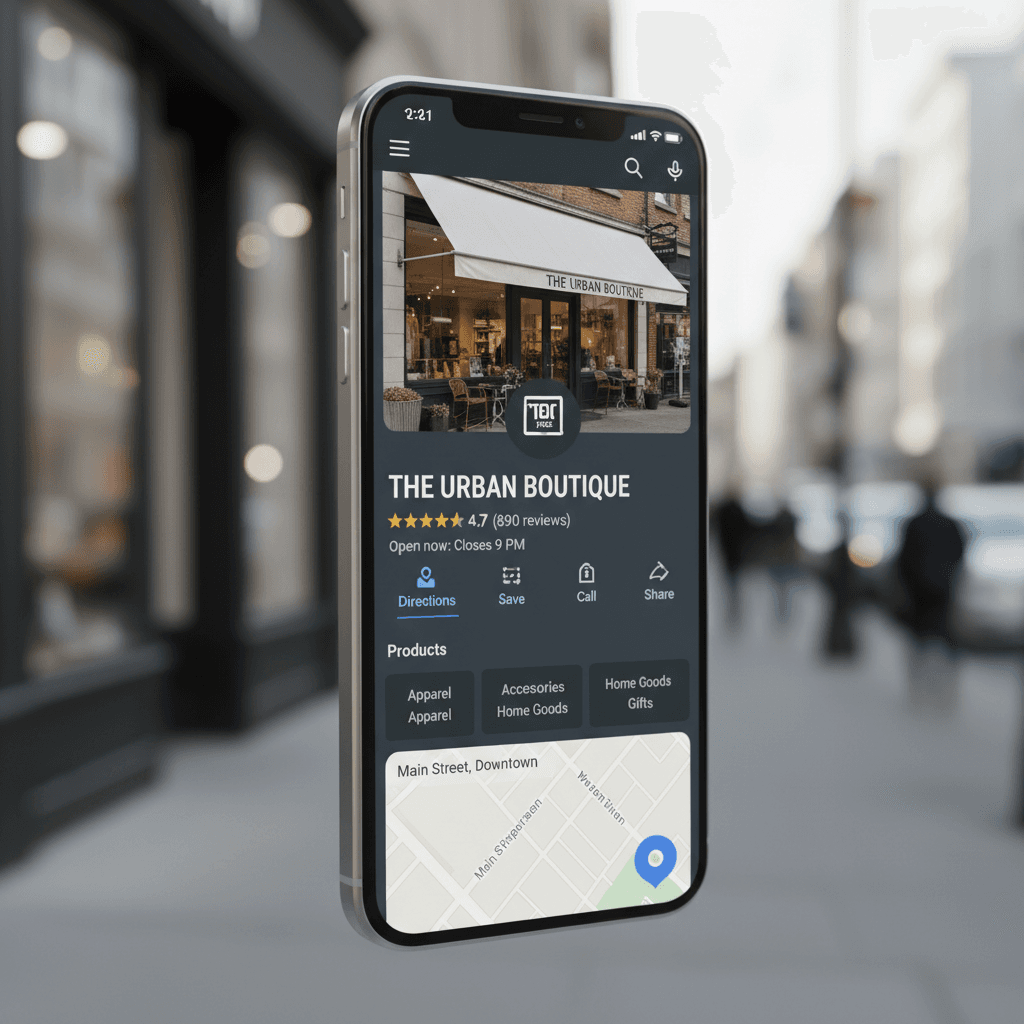

Positive review signals directly improve search visibility by accounting for approximately 9% of local pack ranking factors. Businesses can optimize their local SEO review signals ranking by maintaining high star ratings and generating a consistent flow of fresh feedback; these metrics prove authority to search engines and consumers alike.
You have perfected your service and optimized your website, yet your competitors continue to dominate the Google Local Pack. It is a frustrating reality for many local businesses that quality alone does not guarantee visibility. The missing link often lies in your review signals, which Google uses as a primary trust indicator for ranking. Understanding how the algorithm interprets these signals is essential for any growth-focused brand. In this guide, we will analyze the data behind review volume and velocity; we will also explore why sentiment and diversity are critical metrics. We will demonstrate how keyword-rich feedback acts as hidden fuel for your rankings and why active response strategies are no longer optional. By the end, you will have a clear, actionable roadmap to turn your customer feedback into a powerful engine for local search dominance.
The Direct Link Between Reviews and the Google Local Pack
In the world of local search, the Local Pack is the most valuable real estate on the web. It refers to the top three map results that Google displays prominently when a user searches for a specific service or business near them. While many business owners view customer feedback primarily as a tool for building social proof, Google treats these entries as a core technical ranking factor.
Industry data indicates that review signals account for approximately 9 to 15 percent of how Google determines rankings for local businesses. This means that your local SEO review signals ranking is influenced by much more than just a high star rating; it is a calculated measurement of your business's prominence and reliability. Google’s algorithms are designed to verify that a business is active, trustworthy, and capable of delivering on its promises before highlighting it to a user.
The distinction between general organic SEO and local SEO is critical to understand. Traditional organic rankings are largely driven by website authority, backlinks, and on-page technical factors. In contrast, the Local Pack operates on a unique logic that prioritizes proximity, relevance, and trust. Because Google wants to ensure they are recommending a business that currently satisfies customers, they rely heavily on review data to validate real-world performance.
Neglecting these signals often results in a visibility ceiling where even a well-optimized website fails to break into the top three map results. Businesses looking to scale their digital presence often find that investigating reputation management pricing is a necessary step in professionalizing their local search strategy. Effectively managing these signals is no longer optional for those who want to remain visible in a competitive geographic market.
The Numbers Behind the Rankings: Volume and Velocity
Data indicates a significant correlation between raw review volume and your position in the Local Pack. For multi-location brands, businesses occupying the top three spots average more than 400 reviews. In contrast, those in the fourth or fifth positions often average closer to 281. This quantitative gap creates a functional barrier; a high volume of reviews serves as a baseline of authority, proving to Google that a business has a deep and verifiable history of customer engagement.
However, quantity is only one part of the equation. Google also prioritizes review velocity, which refers to the frequency and consistency at which new feedback arrives. A business that receives 50 reviews in a single weekend followed by six months of silence often triggers Google's spam filters. This pattern suggests artificial manipulation or a one-time push rather than organic, ongoing customer satisfaction. Algorithms are designed to identify these anomalies and may discount or even shadow-ban reviews that appear in suspicious bursts.
A steady drip of fresh content is a far more potent signal for your local SEO review signals ranking. Recency is a priority because Google aims to provide users with current, reliable information. If the most recent feedback is several months old, the algorithm may perceive the business as stagnant or declining in relevance, even if the overall star rating is high. Maintaining a consistent flow of reviews ensures that your prominence is reinforced regularly, signaling that your business is an active and reliable choice for local searchers. To understand how automated systems can help maintain this consistency, you can learn more about Review Pulse 360 and our approach to steady feedback acquisition.
Ranking Position | Average Review Count (Multi-location) |
|---|---|
Top 3 (Local Pack) | 400+ |
Positions 4-6 | 280+ |
Positions 7-10 | 150 - 200 |
Beyond the Star Rating: Why Sentiment and Diversity Matter
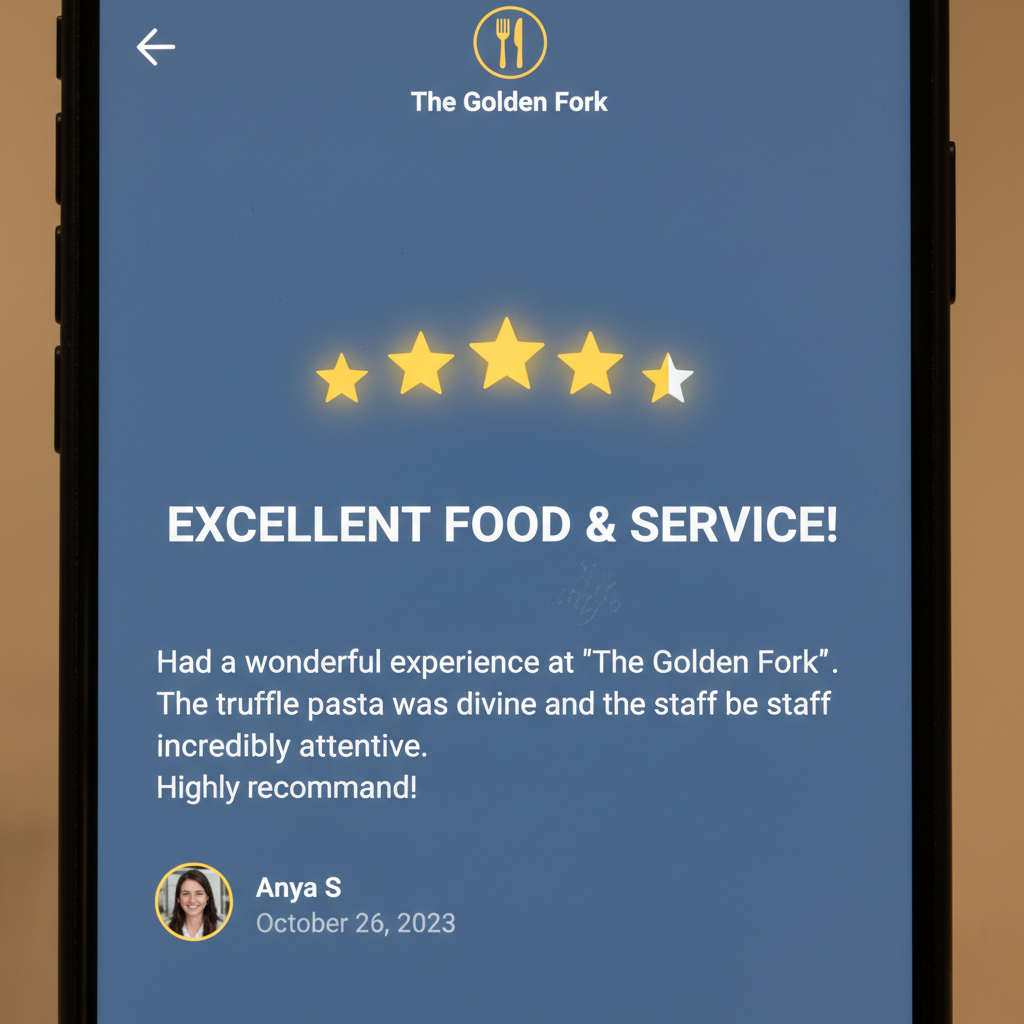
While volume and velocity build the structural foundation of your presence, the actual substance of customer feedback determines how Google perceives your brand authority. Google utilizes advanced Natural Language Processing (NLP) to parse the text within every review. This technology allows the algorithm to move beyond the numerical rating and understand the sentiment, context, and specific service attributes mentioned by customers. This deeper analysis of text content directly influences your local SEO review signals ranking by confirming that your business is meeting the specific needs of users in your area.
Developing a diverse footprint across multiple platforms is equally critical for long term stability. Relying solely on Google reviews leaves a business vulnerable to algorithm shifts or platform-specific issues. By cultivating feedback on Yelp, Facebook, and industry-specific directories, you build a reputation moat. This multi-platform presence signals to search engines that your business is a legitimate, high-performing entity recognized across the entire web, not just on a single site. This broad validation makes your ranking more resilient against competitors who focus on only one channel.
Authenticity also plays a major role in how both search engines and consumers interpret your data. A perfect 5.0 rating can ironically be less effective than a 4.8 or 4.9. Both human users and Google's sophisticated spam filters look for trust signals in a realistic mix of feedback. A slightly imperfect score often appears more credible and less manipulated, suggesting a genuine business that handles real-world customer interactions. For businesses looking to scale their digital presence across multiple platforms while maintaining this balance, investigating reputation management pricing is a practical step toward professionalizing their local search strategy.
How Keywords in Reviews Act as Hidden SEO Fuel
While sentiment and platform diversity establish trust, the actual text within a review serves as a powerful, secondary layer of local optimization. When a customer writes a detailed account of their experience, they naturally include long-tail keywords that signal relevance to search engines. For example, a customer might mention they received "emergency dental repair in Chicago" or utilized the "best landscaping services for residential yards." These phrases act as high-intent descriptors that help Google categorize your business more accurately than your website content alone.
When Google’s NLP identifies these specific services and geographic terms, it strengthens the connection between your brand and those specific search queries. This user-generated content directly influences your local SEO review signals ranking by providing crawlable, third-party proof of your service capabilities. However, you must avoid coaching customers into "keyword stuffing," as unnatural language is easily detected by both readers and algorithms.
Instead, the strategy should focus on prompting descriptive feedback. Ask customers to mention the specific service they received or the technician who assisted them. This generates authentic, keyword-rich content that builds topical authority naturally. To see how these insights can be harnessed to grow your digital footprint, you can learn more about Review Pulse 360 and our specialized tools for feedback optimization. By prioritizing quality descriptions, you transform passive feedback into active search visibility.
The Response Factor: Why Replying Boosts Your Visibility

Google’s official documentation confirms that responding to reviews improves your local search visibility. This is not merely a customer service courtesy; it is a direct signal to the algorithm that a business is active, attentive, and operational. When a business engages with feedback, it provides Google with evidence of its ongoing legitimacy, which directly influences your local SEO review signals ranking by proving the business is a reliable entity to recommend to searchers.
The statistical impact of these interactions is quantifiable. Data shows that businesses responding to at least 25 percent of their reviews see a 4.1 percent increase in conversion and greater ranking stability. This response threshold acts as a functional benchmark for professionalism. Because roughly 65 percent of consumers are more likely to patronize a business that responds to reviews, this activity serves a dual purpose: it satisfies the search engine’s requirement for active management and the consumer’s requirement for trust.
Consistency remains the primary challenge for growing brands. Managing disparate notifications from Google, Facebook, and industry-specific directories often leads to missed opportunities and fragmented visibility. To maintain an optimal response cadence, many organizations find it beneficial to learn more about Review Pulse 360 and its capability to centralize multi-platform interactions. By consolidating these signals into a single, unified dashboard, you can ensure every review is addressed promptly, reinforcing your standing in the Local Pack while keeping your administrative overhead manageable.
Actionable Steps to Optimize Your Review Signals

Consolidating these signals is the first step; the second is applying a systematic approach to optimization. To strengthen your local SEO review signals ranking, follow this technical checklist to ensure your data remains competitive and authoritative.
Audit current review velocity. Analyze your review acquisition over the last six months to identify gaps or irregular spikes. If your business averages fewer than ten new reviews monthly while competitors in the Local Pack are gaining thirty, your velocity requires adjustment to signal ongoing relevance to Google.
Identify keyword gaps. Search your current feedback for specific service terms and geographic markers. If you are a roofing contractor but phrases like "shingle repair" or "emergency leak fix" rarely appear in customer text, your topical authority remains weak.
Formalize a response protocol. Establish a mandatory 24 to 48 hour window for all replies. Positive responses should reinforce the customer's specific praise, while negative responses must offer a professional resolution path. This consistent activity proves to search engines that the business is actively managed.
Deploy in-person collection tools. Utilize QR codes or SMS triggers at the point of service to capture feedback while the experience is fresh. These verified, location-based reviews carry significant weight compared to unsolicited web feedback.
Implementing these steps manually often creates a significant resource drain for growing businesses. Utilizing AI agents and automated workflows allows you to maintain these standards and response cadences without constant manual oversight. For companies ready to scale this process, exploring reputation management pricing provides a clear path toward sustainable growth. You can learn more about Review Pulse 360 and how our platform automates these complex ranking signals to keep your business at the top of the map results.
The evidence is clear; consistent and positive reviews are essential for boosting your local SEO performance and building trust with your community. While managing this process manually is possible, it often requires significant time and strategic focus to see real results. If you want expert help optimizing your reputation and search visibility, our team is ready to support your growth. You can explore our Pricing to find a plan that fits your business goals, ensuring your local rankings remain competitive and strong.