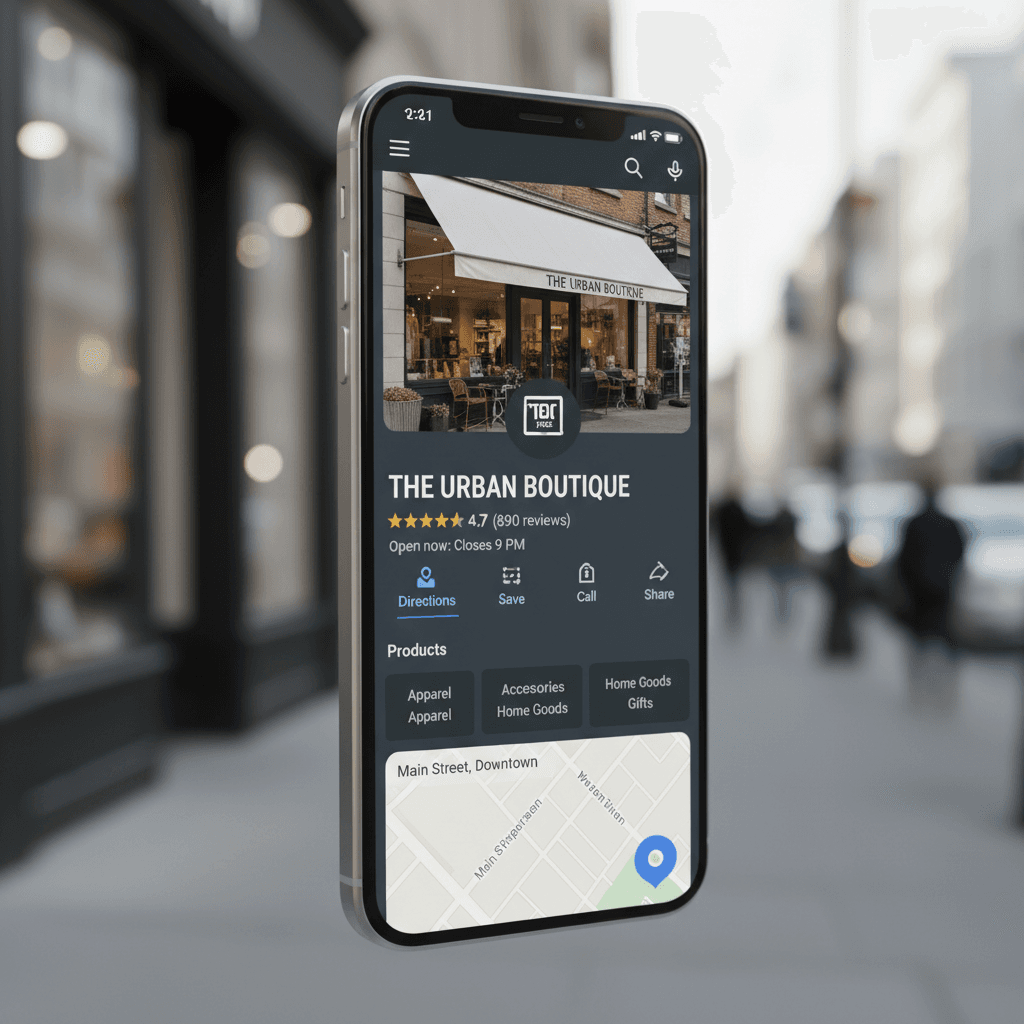

Consumers primarily determine where do customers read reviews by utilizing a blend of AI assistants like ChatGPT, traditional sites like Google and Yelp, and social video platforms such as TikTok. Nearly half of modern shoppers now rely on AI generated recommendations and video feedback to make purchasing decisions; this marks a significant shift away from exclusive reliance on legacy search engines.
Most business owners spend their limited time polishing a Google profile while their target audience is actually searching elsewhere. It is exhausting to manage multiple platforms only to realize your customers are making decisions based on AI recommendations or a thirty second video on social media. This disconnect creates a visibility gap that threatens even the most established reputations. In 2026, the customer journey is no longer linear; it is a fragmented ecosystem where trust is built through diverse touchpoints. This guide explores the new discovery map, including the shift toward AI assistants, the dominance of vertical communities like Reddit, and the rise of social search. You will learn how to identify the high impact platforms for your specific industry and how to strategically distribute your reputation across the modern digital landscape.
The Fragmented Discovery Map: Why 2026 is Different
Ten years ago, a business owner in Center City or Manayunk had one clear objective: dominate Google Search. If your star rating looked good on the local pack, the phone rang. In 2026, that straight line has dissolved into a complex, fragmented discovery map. The way people decide where to spend their money is no longer centralized; it is a distributed web of AI assistants, short-form video, and hyper-local community hubs.
The data reflects this fundamental shift. According to the BrightLocal 2026 survey, 45 percent of consumers now use AI tools like ChatGPT, Gemini, or Perplexity to find local businesses. These users are not scrolling through pages of blue links. They are asking their phones to find the best-reviewed HVAC technician near Fishtown who handles emergency repairs and receiving a synthesized recommendation based on thousands of data points. The search process has moved from a manual comparison of lists to a conversation with an intelligent agent.
This evolution means that the answer to where do customers read reviews is no longer just on Google. It happens in the background of AI model training, within TikTok comments, and on specialized vertical platforms. For a Philadelphia business to thrive, a reputation strategy must move beyond simply collecting stars on one profile. It requires a presence across a web of interconnected surfaces. If your digital footprint is missing a layer, you become invisible to nearly half of your potential market. Understanding this new map is the first step toward generating a reputation report that actually reflects your brand’s true reach in the current landscape.
Google Search and Maps: Still the Baseline for Review Discovery
While AI assistants are capturing significant market share, Google remains the primary engine powering the local economy. When a homeowner searches for a contractor, they often wonder where do google reviews appear and how they influence the final decision. These reviews live on your Google Business Profile, but their utility has expanded. They now feed directly into Google AI Overviews, formerly known as Search Generative Experience, where the engine synthesizes customer sentiment into a concise summary at the top of the search results. If your reviews frequently mention fair pricing or punctuality, Google’s AI highlights these as definitive traits of your brand.
The search experience is now split between traditional organic links and the Local Pack. The Local Pack is the map based interface that displays the top three local businesses. Google Maps uses sophisticated sentiment analysis to determine these rankings; it scans for specific service mentions and geographic relevance rather than just looking at a raw star count. A legal firm in Center City or a boutique in Rittenhouse Square needs descriptive feedback to signal to Google that they are the most authoritative result for those specific neighborhoods.
For Philadelphia service providers, maintaining a Google-first strategy is essential, even if it is no longer Google-only. The reviews you collect through automated review requests provide the structured data Google needs to categorize your business accurately. This foundation ensures that when you generate a reputation report, your visibility in the Local Pack remains stable. Even as discovery fragments, the journey for many still begins with a map pin, making Google the non negotiable anchor of your digital presence.
The Rise of AI Assistants: How to Get Recommended by AI
If Google Search acts as the anchor for local discovery, AI assistants function as the interpreters. Tools like ChatGPT, Perplexity, and Apple Intelligence have fundamentally changed the answer to where do customers read reviews by moving away from long lists of links toward synthesized summaries. Instead of scrolling through dozens of individual testimonials, a user receives a concise recommendation that distills thousands of data points into three or four sentences.
To show up in these AI searches, star counts alone are insufficient. These models prioritize semantic depth and recency. AI crawlers look for descriptive language that validates a business's specific expertise. For instance, a search for the "best plumber in Center City" will favor a business whose reviews frequently mention "clogged drain repair" or "historic home plumbing expertise" over one with hundreds of generic "great service" ratings. Similarly, a HVAC company in Manayunk gains visibility when customers explicitly highlight a "fast response time during a heatwave."
Maintaining this visibility requires a consistent stream of fresh, detailed feedback. Because AI models weight recent data more heavily to ensure accuracy, businesses must leverage automated review requests to keep their profiles current. A comprehensive reputation report should now track these keyword clusters, ensuring your customers are providing the specific, descriptive language that AI assistants need to confidently recommend your services to local searchers.
Social and Video Platforms: TikTok is the New Review Engine
While AI assistants synthesize text, a massive segment of the market now skips text entirely to search visually. TikTok and Instagram have evolved into primary search engines for Gen Z and Millennials, who use these platforms to vet a business before they arrive. They are looking for the unfiltered reality of a storefront in Fishtown or the actual results of a landscaping project in Chestnut Hill. Data shows that 49 percent of TikTok users make a purchase after seeing a video review, highlighting a level of conversion that traditional text sometimes struggles to match.
Video reviews provide a layer of social proof that written testimonials lack. They show the lighting, the atmosphere, and the genuine emotion of a customer. This raw content is not just for human eyes; AI models now crawl social media captions, transcripts, and comments to gauge public sentiment. When a customer tags your business in a story or posts a video featuring your services, they are creating secondary review surfaces that improve your overall search authority. The question of where do customers read reviews now includes the comments section of a viral clip just as much as a dedicated review site.
Small businesses should proactively encourage these interactions alongside their standard automated review requests. Asking a satisfied client to tag the business in their social stories creates a visual trail that builds trust faster than a five star rating alone. Monitoring these social mentions is a critical component of a modern reputation report. By treating social media as a search engine rather than just a broadcasting tool, you capture the 2026 consumer who needs to see your work in motion before they ever commit to a purchase.
Vertical and Community Sites: Reddit and Industry Specific Platforms
The search for authenticity has led to the "Reddit-fication" of local discovery. Consumers frequently append "Reddit" to their search queries to bypass commercialized results in favor of raw, unfiltered human opinions. For a business in Philadelphia, a mention in an r/philadelphia thread or a "Best of Philadelphia" discussion carries more weight than a dozen generic stars. These community hubs serve as high-trust environments where customers read reviews to find consensus among their peers.
Industry-specific platforms provide the necessary vertical authority that generic sites lack. A medical practice in Rittenhouse Square needs a presence on Healthgrades, just as a general contractor in Chestnut Hill relies on Houzz and a restaurant in East Passyunk benefits from TripAdvisor. These niche sites act as validation layers within the broader AI discovery map. Large language models and AI assistants prioritize data from these specialized sources because the feedback is categorized by specific professional standards.
Maintaining a presence across these fragmented sites ensures that your reputation report shows a diversified and resilient brand image. While you might focus your automated review requests on major platforms, these community and vertical sites provide the deep social proof that search engines and AI agents use to verify your legitimacy.
Where Do Customers Leave Reviews vs. Where They Read Them

This shift toward community hubs highlights a fundamental disconnect in the local ecosystem: where reviews are written is rarely where they are exclusively read. While Google and Facebook remain the primary engines for submitting feedback, consumption has migrated to integrated surfaces like Apple Maps and AI overlays. Apple Maps, in particular, has emerged as a dominant reading surface, serving as the default discovery tool for iPhone users navigating Philadelphia neighborhoods. If your feedback is locked in a silo, you risk invisibility on the very devices your customers use to find a local service.
Furthermore, AI agents and discovery engines require a broad footprint of structured data to build their recommendations. They crawl multiple platforms to verify consistency and sentiment. To remain visible, businesses must ensure their feedback is distributed across the web so it can be ingested by these crawlers. Leveraging automated review requests ensures a steady flow of data to these critical reading surfaces. A comprehensive reputation report allows you to see this impact in real time, moving beyond simple star counts to understand your actual reach. Balancing these platforms does not have to be cost prohibitive, especially when comparing review management pricing for a unified solution versus manual overhead.
How to Cover the New Discovery Map Without Being Everywhere

Managing a presence across forty distinct platforms is an impossible task for a local business owner. Attempting to manually track every Reddit mention or update every industry profile leads to burnout and inconsistent data. A sustainable strategy focuses on high-impact automation rather than manual oversight. By streamlining the collection and monitoring process, you ensure that no matter where do customers read reviews, your business presents a cohesive, high-authority image.
The first pillar of this strategy is implementing automated review requests via SMS and email. Automation removes the friction of asking for feedback, ensuring a steady volume of recent reviews. This volume is critical because AI models and search engines prioritize freshness when generating recommendations. A consistent stream of data signals that your business is active and reliable in its local market.
The second pillar involves using a centralized dashboard to monitor global sentiment. Instead of logging into dozens of sites, you can view feedback from over 40 platforms in one place. This allows you to generate a comprehensive reputation report that identifies trends across disparate surfaces, from Google Maps to niche vertical sites. Finally, use customizable review widgets to pull these fragmented testimonials back onto your own website. This creates a trust hub that converts visitors who may have discovered you on a third-party platform. Review Pulse 360 solves this fragmentation by syncing your reputation data across the most influential surfaces, providing enterprise-level reach without the enterprise review management pricing.