
To effectively master how to respond to negative reviews, you must acknowledge the customer's concerns, provide a sincere apology, and maintain a professional tone. It is crucial to thank the reviewer for their feedback and offer to resolve the issue offline to protect your brand's reputation. Ignoring criticism can be costly; therefore, responding promptly helps demonstrate accountability and build long-term trust with potential customers.
Every business owner knows the sinking feeling that accompanies a notification for a new one-star review. It feels like a public indictment of your hard work, and the natural instinct is often to look away or respond with immediate defensiveness. However, silence is a choice that carries a heavy, invisible price tag. Unanswered criticism does more than just sit there; it actively erodes your brand authority and drives potential customers toward your competitors. Mastering the art of the response is not just about damage control; it is about reclaiming your narrative and demonstrating elite customer care. In this guide, we provide a sophisticated, five-step recovery framework tailored for modern enterprises. You will learn how to navigate industry-specific challenges in sectors like healthcare and hospitality, identify strategies for debunking fake feedback, and discover how to leverage AI to maintain a flawless reputation at scale.
The Invisible Price Tag: What Happens When You Ignore Negative Reviews

Ignoring a negative review is rarely a neutral act. In the eyes of a potential customer, silence functions as an admission of guilt or, perhaps worse, a sign of total indifference toward the customer experience. The financial stakes are quantifiable; research shows that 94% of consumers have been convinced to avoid a business because of a negative review. Furthermore, 81% of consumers will not even consider a business that maintains an average rating below three stars. For a US based company, falling below this threshold can effectively shut off the primary pipeline of new leads.
Beyond immediate customer perception, there is a technical cost known as SEO Decay. Google’s local search algorithms prioritize businesses that demonstrate high engagement and responsiveness. When a business profile remains unmanaged, with reviews left hanging for weeks or months, the search engine interprets the lack of activity as a sign of a stagnant or poorly maintained business. This leads to a gradual drop in search rankings, making your business less visible to the very people you are trying to reach. A proactive approach to learning how to respond to negative reviews is essential for maintaining your digital real estate.
There is also a significant psychological component at play. While a complaint feels like a setback, it actually presents an opportunity via the Service Recovery Paradox. This phenomenon suggests that a customer who experiences a service failure, but has it resolved with high proficiency, often becomes more loyal than a customer who never experienced a problem at all. A well handled response demonstrates that your business is accountable and values its patrons. By leveraging a reputation management platform, you can monitor these interactions in real time, ensuring that every critique becomes a chance to prove your commitment to quality. The goal is to move beyond damage control and into the realm of intentional brand building.
The Psychology of Avoidance: Why Most Businesses Fail to Respond
Running a business in the United States requires immense personal investment. When an owner sees a one-star review, the reaction is rarely clinical; it is often visceral. Many owners feel a sense of betrayal or frustration, especially if the feedback feels unfair or inaccurate. This emotional friction creates a barrier to action. It is often easier to close the browser tab than to engage with a critic when you are already juggling payroll, inventory, and staffing. This avoidance is usually rooted in a survival response that, while natural, does not serve the long-term health of the brand.
Ignoring feedback does not neutralize it. In the digital landscape, an unanswered critique becomes the permanent last word on your business profile. While you might be too busy to reply today, that review remains indexed and visible to the 97% of consumers who read business responses. When an owner fails to address a complaint, they effectively forfeit the opportunity to tell their side of the story. Understanding how to respond to negative reviews requires moving past the initial sting of criticism. It involves recognizing that your silence is actually a loud statement to every future prospect viewing your profile.
The stress of maintaining a digital presence is a significant burden, and the fear of saying the wrong thing often leads to total paralysis. This hesitation is understandable, but it is also costly. By approaching reputation management as a standard operational procedure rather than a personal confrontation, you can reclaim control. Learning more about Review Pulse 360 can help bridge the gap between an emotional reaction and the professional response needed to protect your revenue.
How to Respond to Negative Reviews: A 5 Step Recovery Framework

To move from avoidance to action, you need a repeatable process that removes the guesswork from digital communication. Learning how to respond to negative reviews is less about winning an individual argument and more about demonstrating your brand values to the thousands of prospective customers watching from the sidelines. Follow this five step recovery framework to turn a public critique into a marketing asset.
Personalize the Interaction: Begin by using the reviewer’s name. Generic responses like "Dear Valued Customer" feel automated and dismissive. Personalization signals that you have actually seen them and recognize them as an individual; it immediately lowers the temperature of the interaction.
Acknowledge and Apologize: You do not have to agree with every detail of their version of events to apologize for their experience. A simple statement such as, "I am sorry to hear that we did not meet your expectations during your visit," is highly effective. Research shows that 45% of consumers are more likely to visit a business if they see a proactive, professional response to feedback.
Be Specific: Reference the actual complaint. If the reviewer mentioned a long wait time or a specific service failure, mention those details in your reply. This proves you aren't using a generic template. Utilizing a reputation management platform can help you track these specific details across multiple review sites from a single dashboard, ensuring your responses stay organized.
Offer a Practical Solution: Explain how you intend to rectify the issue. Whether it involves retraining staff, repairing equipment, or refining an internal process, the future customer needs to see that the problem they just read about is being addressed.
Move the Conversation Offline: Provide the name and direct contact information, such as a phone number or email, of a manager or owner. This prevents a public back and forth argument and shows you are willing to have a high level conversation to make things right.
Remember, your response is a public performance. You are writing for the 97% of consumers who read business responses to gauge how they will be treated if something goes wrong. A calm, structured reply proves that your business is accountable and professional.
Industry Specific Examples: From Restaurants to Healthcare
Applying a framework requires adjusting for the unique demands of your specific industry. A generic template that works for a retail boutique will likely fail when applied to a medical practice or a high end hotel. Understanding the nuances of your sector is the key to mastering how to respond to negative reviews effectively.
### Restaurant (Food Quality and Service) When a diner complains about a specific meal or interaction, your response must be equally specific.
"Hi [Name], I am sorry to hear that the sea bass was under-seasoned and that your server was inattentive during your dinner on Tuesday. We pride ourselves on high standards, and we clearly missed the mark. Please reach out to me directly at [Email] so I can personally invite you back for a better experience."
### Hospitality (Room Condition) In the hotel industry, guests are often venting about a lack of comfort. Focus on the steps taken to fix the physical environment.
"Hello [Name], thank you for your review. I apologize for the issues you encountered with the HVAC unit in your suite. Our maintenance team has since repaired the system to ensure future guests remain comfortable. Please contact our front office manager at [Phone] so we can discuss a resolution."
### Healthcare (Wait Times and Privacy) US healthcare providers face the unique challenge of HIPAA compliance. You must never acknowledge that the reviewer was a patient, as confirming their identity or treatment status is a federal violation. Use neutral, general language.
"Thank you for sharing your feedback regarding wait times. We aim to provide timely care to everyone we serve. To protect privacy, we cannot discuss specific details in a public forum. We would like to learn more; please contact our practice manager at [Phone] at your convenience."
Utilizing a reputation management platform helps maintain these boundaries by providing industry specific guardrails. You can learn more about Review Pulse 360 and how our tools help businesses in sensitive sectors remain compliant while staying responsive.
How to Handle Unfair, Nonsense, or Fake Reviews
Even with deep industry knowledge, you will eventually face reviews that are factually incorrect or entirely fabricated. When determining how to respond to unfair negative feedback, the primary objective is to remain the most professional participant in the conversation. If a review contains profanity, hate speech, or describes services your company does not provide, it likely violates the terms of service for platforms like Google or Yelp.
You should immediately flag or report such reviews through the platform's merchant dashboard. Select the category that most accurately fits the violation, such as Spam or Conflict of Interest. However, the removal process is often slow and the outcome is never guaranteed. In the meantime, you must leave a public response so that potential customers do not see an unchallenged accusation. When considering how to respond to a nonsense bad review, keep the reply brief and clinical: "Thank you for the feedback. We have no record of a customer by this name or a transaction matching this description. We would like to investigate this further; please contact us at [Phone]."
This strategy proves to onlookers that you are organized and attentive. Utilizing a reputation management platform allows you to track these disputes across multiple sites from a central location. Learning more about Review Pulse 360 can help your team master how to respond to negative reviews that fall outside the norm while maintaining a polished brand image.
Scaling Your Reputation Management with AI
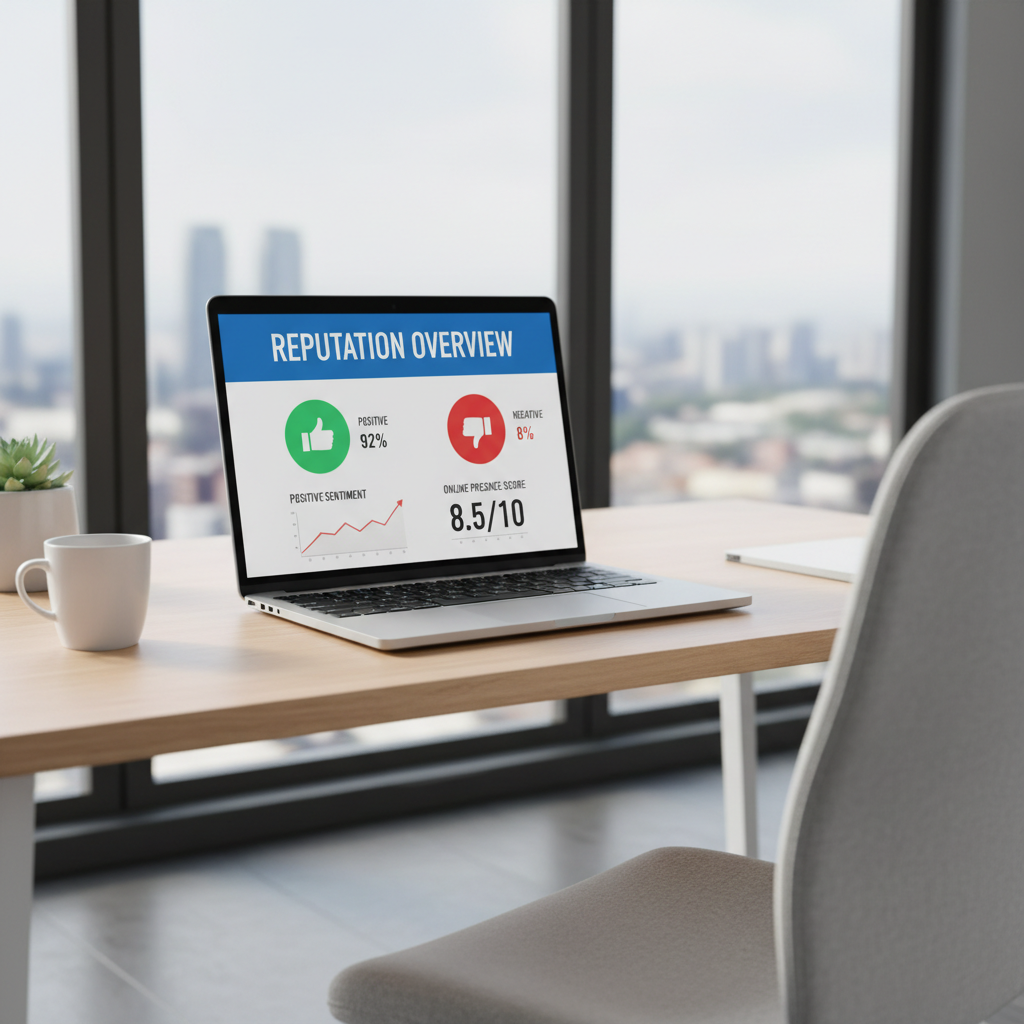
Manual reputation management is difficult to scale, especially for growing US businesses managing multiple locations or high transaction volumes. Modern technology now bridges the gap between knowing how to respond to negative reviews and actually executing those responses consistently. Artificial Intelligence acts as a buffer between the business owner and the initial frustration of a critique. By using AI to generate drafts, you can remove the emotional sting of a negative review and start with a professional, objective foundation in seconds.
This objective approach ensures that your brand remains calm and helpful, regardless of the reviewer’s tone. Review Pulse 360 automates this process by centralizing mentions from Google, Yelp, and other industry specific sites into one dashboard. This prevents critical feedback from falling through the cracks of a busy inbox. Using a reputation management platform allows you to set up alerts and use AI assisted replies that adhere to the five step framework discussed earlier.
As you learn more about Review Pulse 360, you will see how technology transforms a reactive chore into a streamlined operational process. High growth companies use these tools to maintain a 24/7 pulse on their digital presence, ensuring every customer feels heard while the business owner stays focused on high level strategy. Scaling your efforts with automation ensures that the financial and SEO costs of silence never impact your bottom line.
Ignoring negative feedback can silently erode your brand reputation and drive potential customers away. By addressing criticism with empathy and speed, you can transform a bad experience into a demonstration of excellent service. However, staying on top of every review requires significant time and attention. If you want expert help refining your strategy and managing your digital presence, you can learn more about our mission. We focus on helping businesses turn their online feedback into a powerful asset for growth.