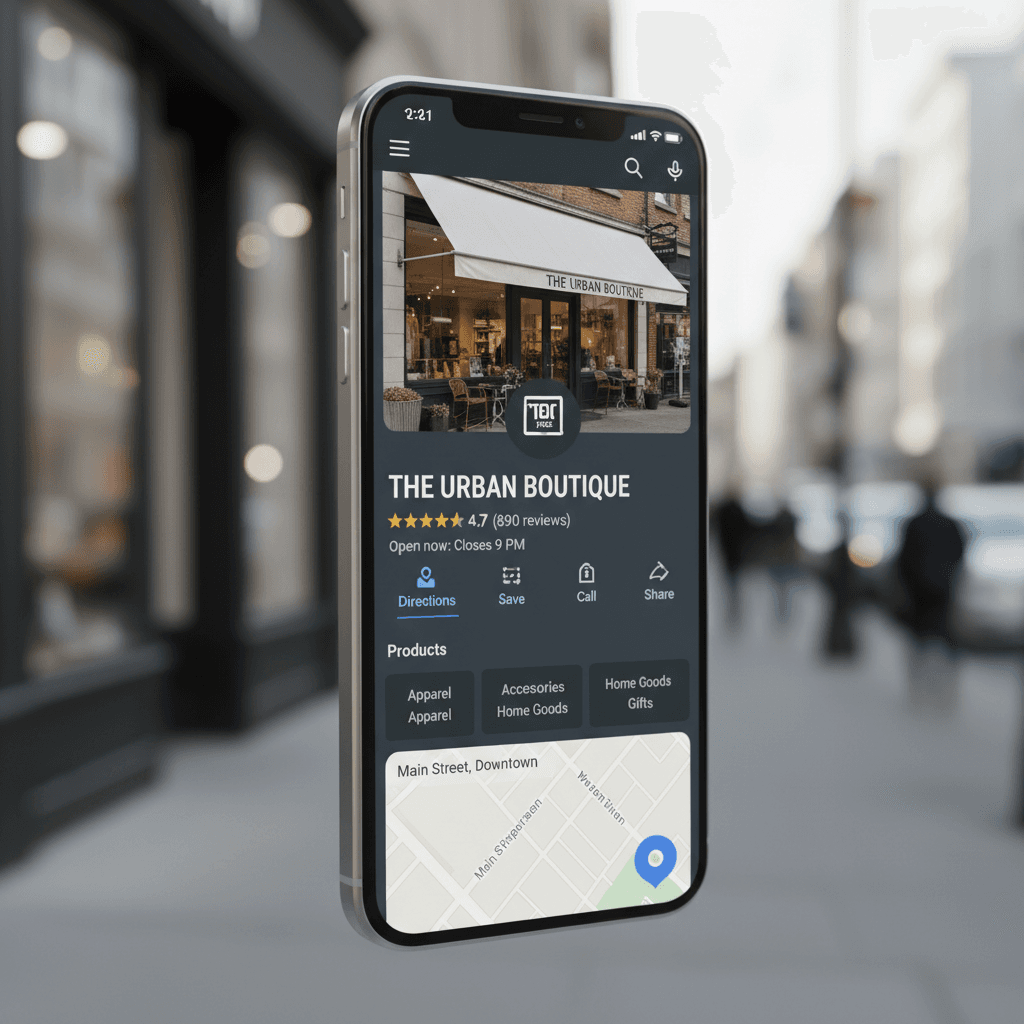

A reputation audit for small business involves searching for brand mentions online, evaluating customer reviews across major platforms, and monitoring social media activity to identify key areas for improvement. By prioritizing these findings into actionable tasks, companies can enhance their local SEO and build trust through consistent engagement and review management.
Imagine working tirelessly to build a premium brand only to realize that prospective customers see a distorted version of your business when they search online. For many small business owners, the digital footprint they believe they possess rarely matches the reality that search engines and emerging AI models present to the public. This gap between perception and reality is no longer just a minor marketing issue; it is a fundamental threat to your bottom line in an era where AI agents dictate your credibility. This guide provides a sophisticated framework for conducting a comprehensive reputation audit. You will learn how to evaluate your visibility across traditional search engines, navigate the complexities of specialized review platforms, and optimize your brand for AI discovery. We also detail how to analyze social sentiment to build a resilient reputation scorecard that drives growth.
Why a Reputation Audit is Non-Negotiable in 2026
In 2026, the distance between a lead and a sale is measured almost entirely by digital trust. Industry research reveals that brand reputation now accounts for 30 to 40 percent of a company's total enterprise value. For a small business, this is not just an abstract marketing concept; it is a tangible asset that directly dictates borrowing power, acquisition interest, and daily revenue. A reputation audit for small business serves as a diagnostic tool for growth, moving beyond surface level ego metrics to identify where you are losing customers before they even contact you.
Consider the competitive landscape here in Philadelphia. Local market data indicates that 41 percent of consumers always read reviews before choosing a service provider. In a market this dense, a single outdated listing or a string of unaddressed 3 star ratings acts as a leak in your sales funnel. A passive approach, where you simply hope for the best, leaves your growth to chance. In contrast, a proactive audit allows you to identify these friction points before they become systemic failures.
By systematically evaluating your digital footprint, you uncover why potential clients might be choosing a competitor over you. This process is the foundation for implementing automated review requests and ensuring your brand remains resilient against market shifts. Before you can optimize your visibility, you must understand your current baseline. You can start this process by generating a free reputation report to see exactly how your business appears to the public and to the AI algorithms now guiding consumer decisions.
Step 1: The Traditional Search Engine Visibility Audit
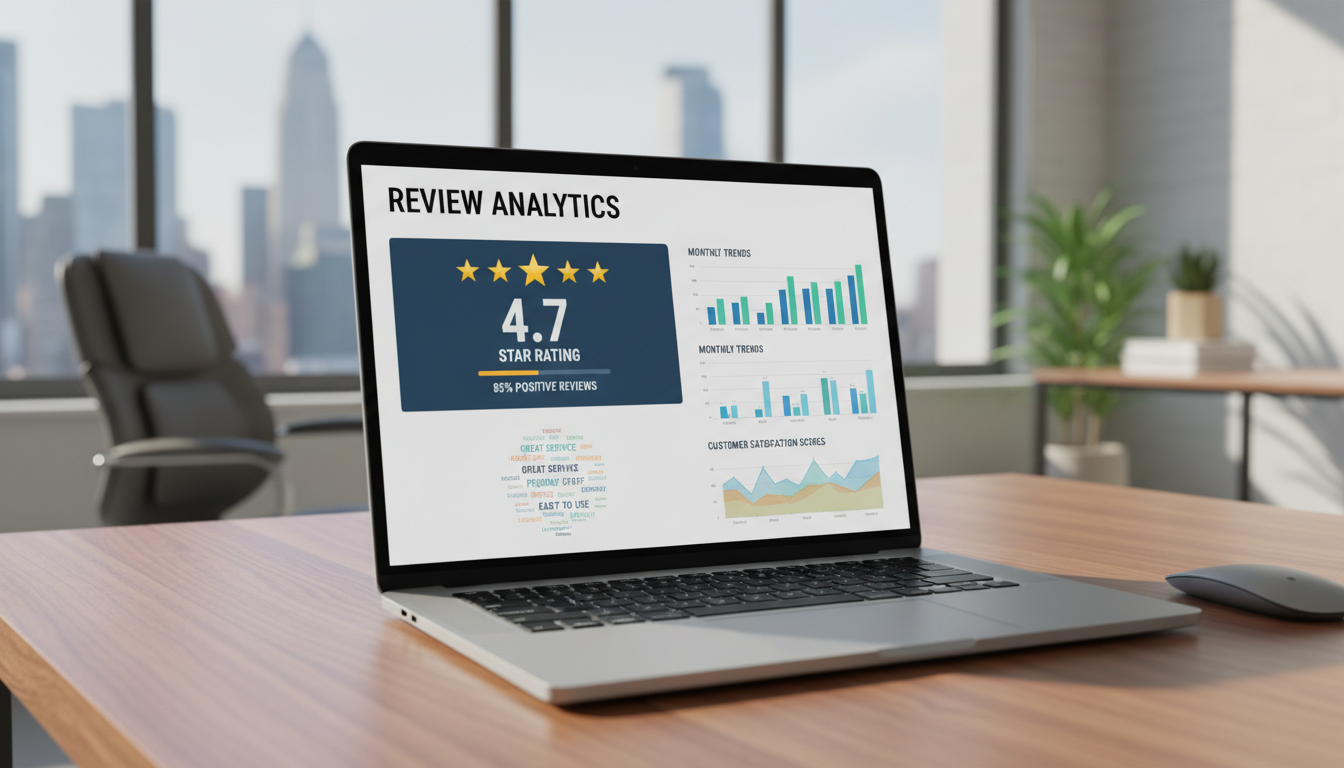
To begin a thorough reputation audit for small business, you must see what your prospects see without the bias of your own search history. Open an incognito or private browsing window in both Google and Bing. This prevents the search engine from showing results based on your previous activity, providing a neutral view of your current standing.
Start by searching for your primary brand name and focus on the 'Big Three' elements of the search results page. First, examine the Knowledge Panel, the information box on the right side of the screen. Ensure your phone number, address, and hours are accurate. Next, check the Local Pack, the map based listings that appear for localized searches. If you do not appear in the top three results for your own name, you have a critical visibility gap. Finally, review the organic results to see which of your pages, or third party mentions, rank highest.
Expand your search to include brand variations and common misspellings. For example, a business might be searched using a shortened version of its name or a common typo. Each variation can trigger different results. Do not stop at the first page. While the majority of traffic stays on page one, high stakes researchers often venture to page two. A buried negative news article from five years ago or a forgotten forum thread can still derail a potential sale.
Your Google Business Profile health is the cornerstone of this step. Check your Q&A section for unanswered questions; these are often high intent leads waiting for a professional response. Audit your photos as well. If the most recent image was uploaded by a customer years ago and it is unflattering, it undermines your professional image. If this manual process feels overwhelming, you can generate a free reputation report to aggregate these data points automatically. Maintaining this presence ensures that tools like Review Tap 360 have a solid foundation to build upon.
Step 2: The Review Platform Deep Dive beyond Google
While the Knowledge Panel and Local Pack represent the front door of your digital presence, a comprehensive reputation audit for small business requires venturing into the broader ecosystem of industry specific sites and directories. Consumers frequently cross reference Google data with platforms like Yelp, Angi, Tripadvisor, or Houzz to verify consistency. A significant discrepancy here creates a trust gap. If a Philadelphia roofing company maintains a 4.8 rating on Google but suffers from a 2.0 on Yelp, the prospect will likely perceive the Google rating as manipulated or incomplete, leading them to choose a competitor with more uniform sentiment.
To quantify this, calculate your Weighted Star Rating. Add the total number of stars received across all platforms and divide that sum by the total number of reviews. This single number provides a more accurate reflection of your market standing than any individual site. You can aggregate this data quickly by running a free reputation report to see your standing across 40 plus platforms simultaneously. Use the table below to track your current distribution across key channels.
Platform | Current Rating | Total Reviews | Last Review Date |
|---|---|---|---|
|
|
| |
Yelp |
|
|
|
Industry Specific (Angi/Houzz) |
|
|
|
|
|
|
Beyond the raw score, you must audit review recency and velocity. Velocity refers to the frequency of new feedback. If your most recent review was posted six months ago, consumers often assume the business is declining, under new management, or even permanently closed. A healthy reputation requires a steady stream of fresh, relevant feedback to maintain modern search rankings.
Furthermore, categorize your platforms by their engagement capabilities. Some sites allow for direct owner responses and dispute resolution, while others remain static directories. For service based brands, monitoring these fringe sites is essential because AI aggregators and search bots crawl them to determine your overall authority. If your audit reveals low engagement or outdated content, implementing automated review requests and utilizing Review Tap 360 can help bridge these gaps by funneling satisfied customers to the platforms where you are most vulnerable.
Step 3: Auditing AI Search Visibility (The 2026 Essential)

Beyond static lists of search results, the modern reputation audit for small business must account for how Large Language Models (LLMs) synthesize your brand narrative. In 2026, AI engines like ChatGPT, Perplexity, and Google Gemini act as digital concierges, summarizing thousands of data points into a single, authoritative recommendation. These models do not simply provide links; they interpret sentiment. If three historical Yelp reviews mention slow service, an AI will report slow service as a defining characteristic of your business, regardless of your current performance. This shift makes AI visibility the new frontier of local SEO.
To audit your AI standing, you must interact with these models directly using specific, diagnostic prompts. This process reveals the consensus the AI has formed about your reliability and quality. Use the following prompts to test your brand presence:
Prompt Goal | Suggested Query |
|---|---|
General Reputation | What is the reputation of [Business Name] in [City]? |
Competitive Analysis | Compare [Business Name] to its top three competitors in [City]. |
Sentiment Analysis | What are the most common complaints or praises for [Business Name]? |
Recommendation Likelihood | Should I hire [Business Name] for [Service]? Provide pros and cons. |
Pay close attention to the sources the AI cites. If it relies on outdated blog posts or unanswered negative reviews from 2023, your current digital signals are too weak to override the old data. AI systems prioritize high-velocity, high-quality data streams. To improve these outputs, you must ensure a constant influx of new feedback through automated review requests. If you are invisible to these models or if they hallucinate negative traits, it usually indicates a lack of structured data or recent activity. Running a free reputation report can help you identify the specific platforms where your data is lacking, allowing you to feed the AI better information. By leveraging tools like Review Tap 360, you can generate the volume of fresh reviews necessary to reshape how these algorithms describe your business to potential clients.
Step 4: Social Media Sentiment and Brand Mentions
When performing a reputation audit for small business, looking beyond formal review sites is essential because social media provides unfiltered, organic feedback that reviews often miss. These unprompted mentions on platforms like Reddit, TikTok, and local Facebook groups reflect how consumers discuss your brand in a peer to peer setting. In Philadelphia, neighborhood Facebook groups often hold more sway over a service provider's success than a generic search result.
Search for your brand name on Reddit to uncover niche discussions or on TikTok to see visual customer experiences. Categorize these mentions into positive, neutral, or hostile sentiment to identify recurring themes. A string of hostile mentions regarding response times, for instance, is a critical data point that requires immediate attention through automated review requests to balance the narrative with verified customer success stories.
Include a check for unauthorized accounts using your brand assets. Impersonation can confuse customers and dilute your authority, leading to significant reputation damage. As a final step, set up Google Alerts for your business name and specific service keywords to monitor these mentions in real time. If the volume of social data feels unmanageable, generating a free reputation report provides a centralized look at your brand's digital footprint, ensuring no mention goes unnoticed while you focus on daily operations.
Analyzing the Data: The Reputation Scorecard
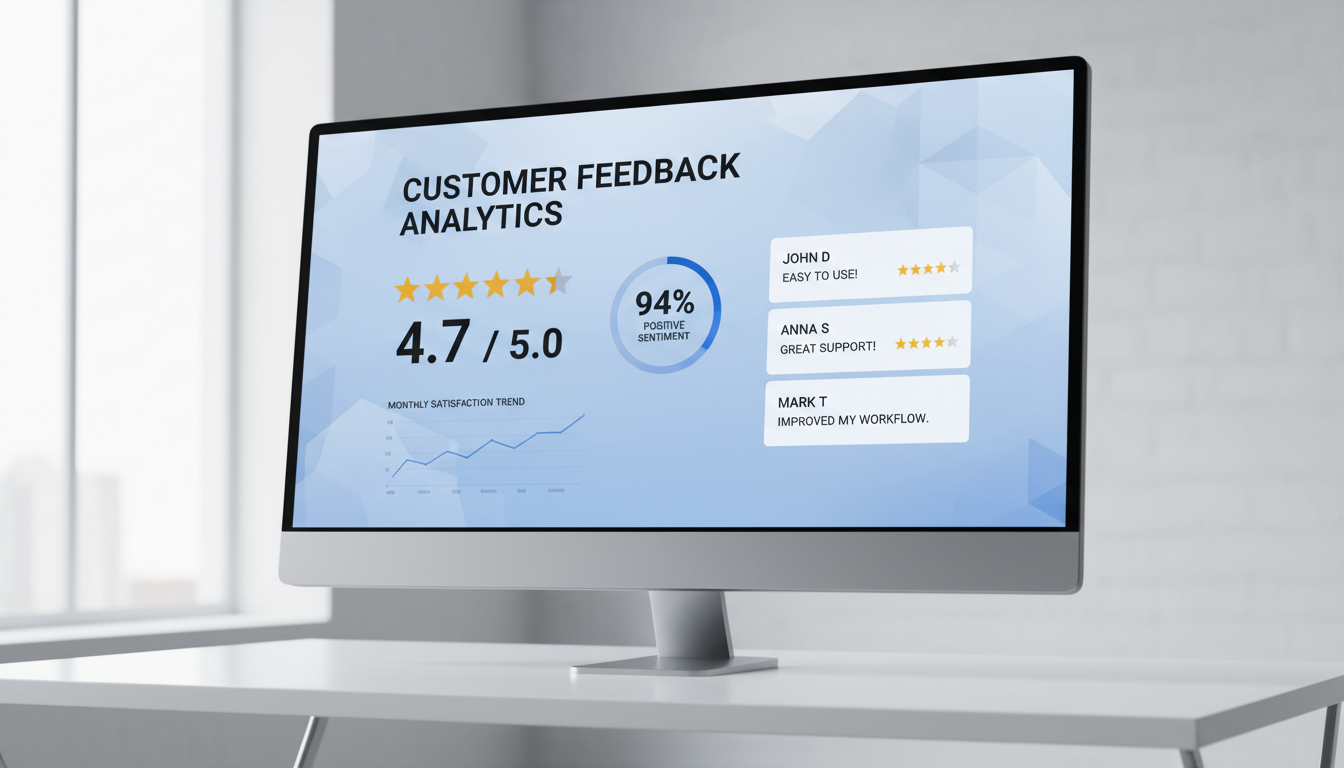
After collecting raw data from search engines, niche directories, AI models, and social platforms, you must translate these observations into a prioritized roadmap. A reputation audit for small business is only as valuable as the changes it triggers. Use the framework below to grade your current standing and identify where your local SEO visibility is leaking potential revenue.
Metric | Definition | Priority |
|---|---|---|
NAP Accuracy | Correct Name, Address, Phone across all 40+ sites. | Critical |
Review Sentiment | Average weighted star rating and tone of feedback. | High |
Response Rate | Percentage of reviews (especially negative) with a reply. | Immediate |
AI Likelihood | Probability of LLMs recommending your service. | Strategic |
Review Velocity | Frequency of new feedback appearing online. | Long-term |
Urgent issues, such as a mismatched phone number or unanswered 1 star reviews, represent immediate friction in the customer journey. If your response rate is below 90 percent, you are signaling to both customers and algorithms that your business is disengaged. These fixes are the low hanging fruit of reputation management.
Long term issues, like low review velocity or neutral AI sentiment, require a systematic approach. If your AI recommendation likelihood is low, it likely stems from a lack of fresh, structured data. You can bridge this gap by implementing automated review requests to generate the steady stream of positive signals algorithms crave. For an objective baseline, a free reputation report can populate these metrics automatically, allowing you to deploy Review Tap 360 where it will have the most significant impact on your growth.