
Leverage social proof by displaying positive feedback on your website, social media profiles, and email marketing campaigns to build trust with new prospects. You can also learn how to use customer reviews to get more customers by responding to feedback and featuring detailed testimonials in your local marketing strategy to boost conversion rates.
Most local business owners feel trapped in an expensive cycle of paid advertising; yet, they still struggle to break through the noise of the local map pack. It is exhausting to deliver exceptional service only to remain invisible to the high-intent customers searching for your expertise. The disconnect lies in a fundamental shift in buyer behavior; modern consumers disregard traditional marketing in favor of peer-validated social proof. Your customer reviews are not just static testimonials; they are the fuel for a powerful, unpaid sales engine that builds trust and authority. In this playbook, we explore how to harness feedback to boost visibility in search and AI results, optimize your website for conversions, and use the specific anatomy of a winning review to close leads. You will discover how to turn occasional feedback into a consistent growth flywheel that operates entirely on autopilot.
Why Online Feedback is Your Most Effective Unpaid Sales Force
Most business owners view a five star rating as a simple pat on the back. In reality, these testimonials are active marketing assets that work around the clock. Traditional marketing relied on shouting at prospects through billboards or radio spots; however, modern consumers largely ignore that noise. They prefer to listen to each other. This shift is critical for local service businesses in Philadelphia and beyond where high trust is the primary currency for any transaction.
Review marketing is the deliberate strategy of using customer experiences to drive new leads. While e-commerce platforms often focus on simple star counts for products, local review marketing focuses on human connection, specific service outcomes, and geographic relevance. It directly addresses the 7-11-4 rule of marketing, which states that prospects typically need seven hours of interaction, eleven touchpoints, and four different locations before they feel comfortable buying. Reviews accelerate this journey. Every time a lead reads a detailed story about your service on Google or sees a neighbor's testimonial on your site, they are accumulating those necessary touchpoints without you lifting a finger.
When you implement Review Pulse 360, you turn passive feedback into a systematic sales engine. Understanding how to use customer reviews to get more customers means moving beyond the hope and pray method and treating every verified experience as a lead generation tool.
Boost Local Visibility: How Reviews Drive Discovery in Search and AI
Google’s "Local Pack" results are largely dictated by the prominence and relevance found within your customer feedback. When a client mentions specific services like "best emergency plumber in Fishtown" or "dental implants in Center City," they are performing search engine optimization on your behalf. Google’s algorithms scan review text for these long-tail keywords to determine which businesses deserve the top spot. Unlike static website copy, these mentions act as third party verification that your business actually performs the services you claim to offer.
The rise of AI search engines like ChatGPT and Google Gemini has introduced a new layer to local discovery. These systems do not merely aggregate star ratings; they analyze sentiment-rich text to answer complex user queries. If a prospect asks an AI, "Who is the most reliable HVAC contractor for historic homes in Society Hill?" the AI searches for reviews that provide specific, qualitative details about that niche. To satisfy these models, you must maintain high review velocity. AI recommenders prioritize businesses with a steady stream of recent feedback over those with a high volume of stale reviews from years ago.
To address the common question of how to make a business show up in AI searches, the answer lies in the depth of your feedback. AI models look for consistent patterns of success and specific mentions of problem-solving. A review that details a technician’s punctuality and expertise in a specific neighborhood provides the exact data points AI needs to build a recommendation. You can begin auditing your current local authority and keyword footprint by generating a Reputation Report. This data allows you to see exactly where your visibility stands and how much sentiment data search engines are currently associating with your brand.
The Conversion Engine: Placing Reviews on Your Website to Close Leads
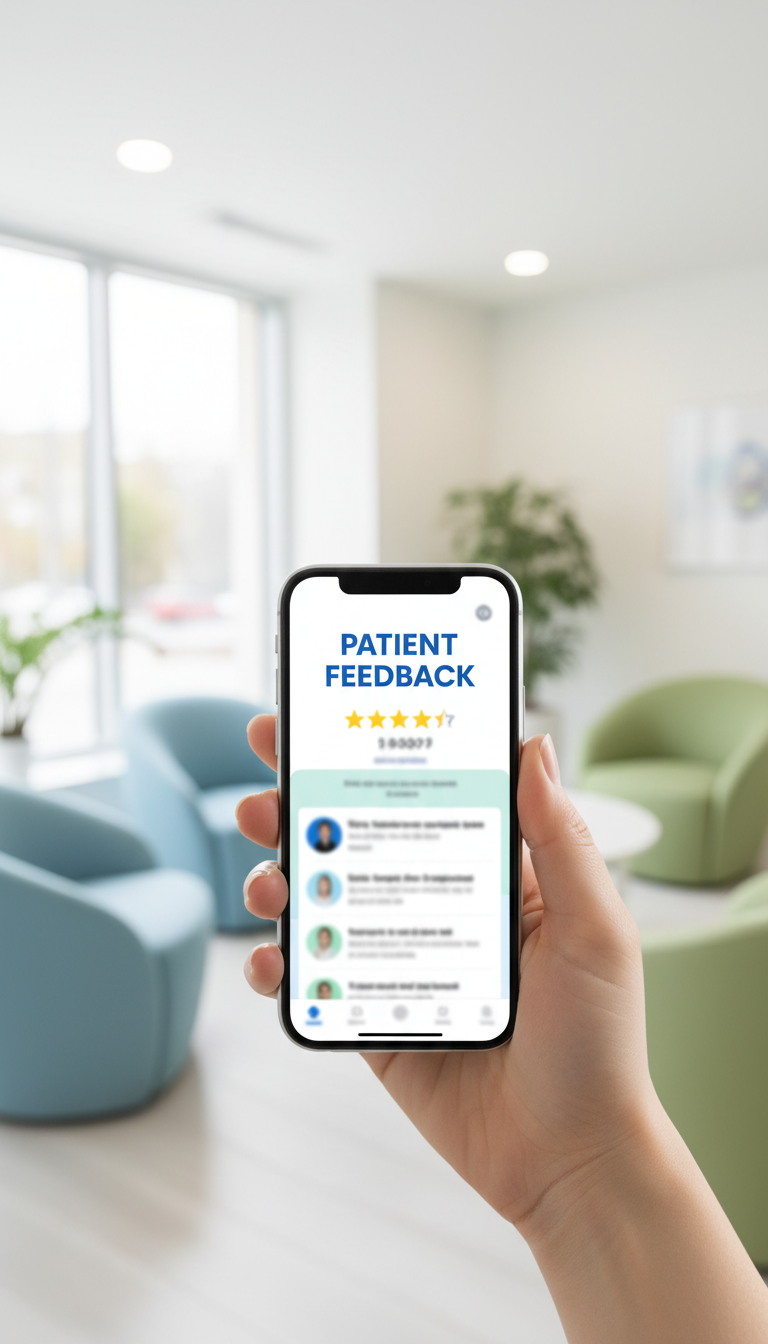
Once visibility brings a prospect to your site, your reviews must transition from discovery tools into closing tools. Many businesses relegate feedback to a dedicated Testimonials page, but this requires the lead to go looking for proof. High-performing websites utilize in-situ placement, which means embedding specific reviews directly onto the relevant service landing pages where the conversion actually happens.
Consider a Philadelphia HVAC company. A glowing review regarding a fast furnace repair in Manayunk loses its power if buried on page ten of a generic feedback list. Instead, that review should be featured prominently on the furnace repair service page. When a prospect sees a testimonial that matches their specific problem, the perceived risk of hiring you drops significantly. Research shows consumers read an average of ten reviews before trusting a company; making those ten reviews hyper-relevant to the service being browsed accelerates the decision-making process.
Recency serves as a critical trust signal for local leads. A five-star rating from three years ago suggests your best days might be behind you. By using dynamic review widgets from Review Pulse 360, you can showcase a live feed of feedback that updates in real time. This constant stream of current activity signals that your team is active and consistently satisfying residents in the community. Seeing a local neighbor’s name or a specific neighborhood mention can be the final psychological nudge a prospect needs to click the contact button. To ensure you always have fresh content to display, automated review requests help maintain a steady flow of new testimonials. Mastering these placements is the most direct way to understand how to use customer reviews to get more customers without increasing your ad spend.
Review Marketing Strategy for Small Business: Beyond the Website
Effective review marketing extends far beyond the confines of your homepage. To truly capitalize on social proof, you must integrate it into the physical and digital touchpoints where your team interacts with the public daily. For a local service provider, this means moving feedback into the real world of Philadelphia commerce.
Consider these practical methods for expanding your reach:
Service Technician Email Signatures: Include a link to your best reviews in every outbound email. When a dispatcher or tech communicates with a homeowner in Rittenhouse Square, a link saying "See why 500+ neighbors trust us" builds immediate rapport.
Invoices and Thank You Cards: Print a QR code on every physical invoice or leave behind card. This bridges the gap between a finished job and a new lead.
SMS Post-Service Follow-ups: Send a brief text after a service call that includes a snippet of a recent positive experience from a similar client.
Visual Social Media Assets: Learning how to market with customer reviews often involves turning text into visual stories. Use branded templates for Instagram and Facebook that feature a pull quote from a client rather than a plain screenshot.
Neighborhood Tagging: When posting a review graphic, tag the specific neighborhood like Northern Liberties or a landmark like the Reading Terminal Market. This signals to both residents and search algorithms that you are a local fixture.
By utilizing Review Pulse 360, you can automate the selection and distribution of these testimonials. Instead of manually cropping images, you can push fresh social proof directly to your social feeds or marketing collateral. This systematic approach ensures that you know how to use customer reviews to get more customers at every stage of the local buyer's journey; it turns every completed job into a public endorsement that resonates with the community.
Using Social Proof in the Sales Process: Turning Doubters into Clients
Reviews function as tactical objection handlers during a live sales consultation. When a prospect expresses hesitation, they are usually signaling a specific fear, such as overpaying or receiving poor service. Instead of offering a defensive explanation, a skilled salesperson can present a targeted testimonial that speaks directly to that concern. This is a primary method for understanding how to use customer reviews to get more customers who are ready to commit.
If a homeowner on the Main Line questions a higher estimate for custom cabinetry, show them a review stating, "They weren't the cheapest bid we got, but the precision and quality of the materials saved us from a costly replacement five years down the line." This shift attracts high intent leads who prioritize value and longevity over the lowest sticker price. It reframes the conversation from cost to return on investment.
Since research indicates that consumers typically read ten reviews before granting their trust, providing those reviews proactively during the sales process removes friction. It filters for clients who recognize the cost of doing a job twice versus doing it right. By leveraging Review Pulse 360, your sales team can quickly access a library of categorized feedback to match a review to a specific objection, such as speed, cleanliness, or technical complexity. This approach transforms a skeptical doubter into a confident client by letting your previous successes prove your future performance.
The Anatomy of a Review that Actually Sells

While the total number of stars matters for your ranking, the quality of the narrative determines your conversion rate. A review that simply says "Great job!" provides basic social proof but lacks the persuasive power needed to move a skeptical prospect. To master how to use customer reviews to get more customers, you must guide your clients toward writing "Transformation" reviews. These testimonials follow a specific story arc: the problem they faced, the service you provided, and the relief they felt afterward.
A "Before, During, and After" structure is the gold standard for local service businesses. It encourages reviewers to mention specific keywords like "emergency water damage in Chestnut Hill" or "cracked foundation repair," which fuels your local SEO. When a prospect reads a story that mirrors their own struggle, your business becomes the logical solution to their problem.
To generate these high-value stories, your automated review requests should include specific prompts rather than a generic link. Here is a sample Google review message you can adapt for your business:
"Hi [Name], thank you for choosing us! We would love to hear about your experience. Could you share what specific problem you were having before we arrived and how the team resolved it for you today? Your story helps neighbors find the right help when they need it."
By shifting from passive requests to structured prompts, you ensure that Review Pulse 360 captures content that acts as a silent salesperson, handling technical objections before your team even picks up the phone.
Automating the Flywheel: Why Consistency Outperforms Occasional Efforts
A high star rating provides a baseline of trust, but review velocity is the true engine of local growth. Search engines and Philadelphia consumers prioritize recency over bulk. Fifty reviews earned consistently over the last six months carry significantly more weight than two hundred reviews from three years ago. To master how to use customer reviews to get more customers, you must ensure the stream never dries up. Review Pulse 360 accomplishes this by integrating automated review requests directly into your service cycle. By automating the ask, you transform feedback from a manual chore into a self sustaining flywheel. Review marketing is a permanent operational habit, not a one time campaign.