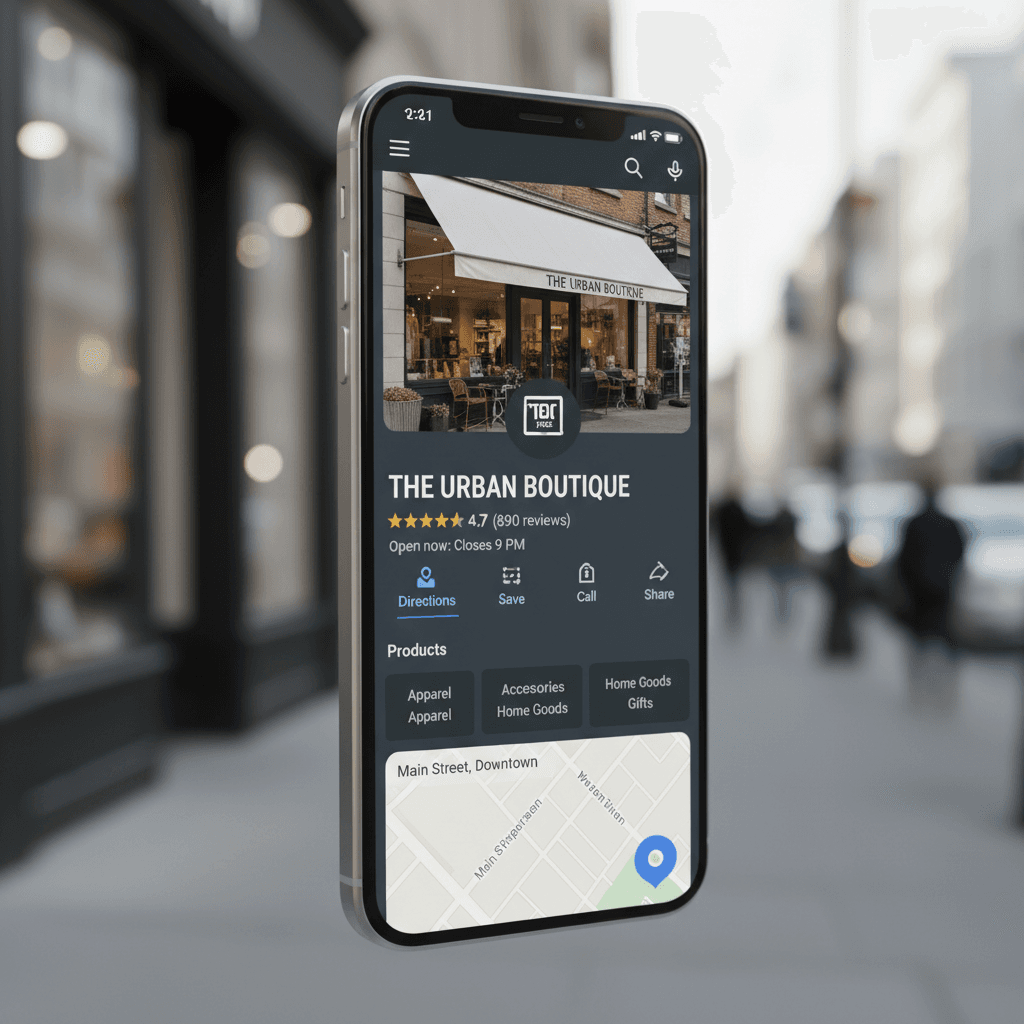

Small businesses can accelerate growth and improve search rankings by leveraging review analytics for small business to transform raw customer feedback into actionable insights. These tools allow owners to identify service gaps, enhance their online reputation, and boost SEO visibility through increased engagement and positive sentiment.
Most small business owners treat their Google reviews as a vanity metric, checking the star rating and moving on to the next task. However, a 4.8-star average can mask underlying operational friction that silently drives customers toward your competitors. Review analytics transforms these static comments into actionable intelligence, allowing you to bridge the gap between customer perception and business reality. In this guide, we will move beyond surface level metrics to explore how sentiment analysis identifies recurring themes and operational gaps. You will learn to extract high value keywords for local SEO, turn customer praise into persuasive marketing content, and decide whether manual analysis or AI automation fits your workflow. By the end, you will have a clear framework to turn every review into a strategic asset for measurable growth.
Beyond the Star Rating: What is Review Analytics for Small Business?

Most business owners fixate on the five star gold medal. While a high average is essential for social proof, the raw star rating is a surface level metric that tells you what happened, not why it happened. Review analytics for small business is the systematic process of moving past the score to uncover actionable insights buried within customer text.
Reading reviews is a passive, one off activity; review analytics is a strategic aggregate. When you pull data from 40 plus platforms into a single dashboard like Review Pulse 360, patterns emerge that are invisible to the naked eye. For a Philadelphia business owner or a manager overseeing a multi-location brand, this data reveals the specific drivers behind customer loyalty. It identifies exactly why a client chooses your service over a competitor three blocks away, or why one storefront in Manayunk outperforms another in the Main Line.
By analyzing high volume feedback, you shift from reacting to individual complaints to identifying operational trends that fuel measurable growth. This involves looking at the frequency of specific keywords and the timing of feedback across different channels. Understanding these metrics is the first step in creating a comprehensive Reputation Report that guides your next business move rather than just crossing your fingers for the next five star post.
Understanding Sentiment Analysis: The Emotional Pulse of Your Customers

Review sentiment analysis is the automated process of using AI to determine the emotional tone behind a customer's words. While a human can easily sense frustration or delight in a single comment, review analytics for small business uses Natural Language Processing (NLP) to categorize thousands of feedback points into positive, negative, or neutral tones at scale. This allows a business owner to see the aggregate emotional temperature of their brand without getting bogged down in individual anecdotes.
Effective sentiment analysis goes deeper than basic labels. By tracking these emotional trends over a specific period, you can measure the direct impact of operational shifts. For example, if a boutique in Rittenhouse Square hires a new stylist or a restaurant updates its layout, sentiment tracking reveals if the language in reviews shifts toward more positive descriptors within weeks. This creates a data driven feedback loop that validates business decisions which might otherwise rely on anecdotal evidence.
To master this data, you must distinguish between explicit and implicit sentiment. Explicit sentiment is straightforward; phrases like "the service was excellent" or "I was disappointed" are direct. Implicit sentiment is more nuanced and often contains conflicting data. A customer might write, "The wait was nearly an hour, but the staff was so friendly I did not mind." In this case, the AI must weigh the negative logistical experience against the positive interpersonal one. Using Review Pulse 360 helps capture these complexities, providing a nuanced Reputation Report that reflects the true emotional pulse of your customer base.
Mining Reviews for Operational Fixes: Identifying Recurring Themes
Capturing the emotional temperature is the first step, but operational growth requires translating those feelings into specific structural changes. Effective review analytics for small business involves categorizing text into thematic buckets to identify exactly where your service delivery is leaking revenue. Instead of guessing why customers are frustrated, you can use high volume data to pinpoint specific recurring failures, such as parking difficulties, billing errors, or uninformed staff.
To turn this data into a tangible asset, implement a "Theme to Action" log. This is a structured document where you record every recurring pattern identified in your Reputation Report. This process moves you away from reactive management and into proactive optimization. For example, if your analytics reveal that "long wait times" appear in 15 percent of your negative reviews over a 90 day period, you have a clear business case for an operational fix. This might involve adjusting staffing levels during peak Philadelphia rush hours or investing in a self-checkout kiosk to alleviate bottlenecks.
Theme | Frequency | Operational Fix |
|---|---|---|
Billing Confusion | 12% of reviews | Redesign digital invoice for clarity |
Knowledgeable Staff | 20% of positive reviews | Incorporate specific staff names into bonus structures |
Parking Issues | 8% of negative reviews | Partner with a local lot or update website directions |
When reviewing your review management pricing options, prioritize tools like Review Pulse 360 that automate this thematic clustering. If a plumbing team in Northeast Philly sees a spike in mentions of "messy work sites," the owner can immediately implement a new requirement for technicians to wear boot covers. By documenting these shifts in your log, you can correlate future sentiment improvements directly to these specific operational adjustments; this proves the return on investment for your reputation management efforts and ensures your business evolves alongside customer expectations.
How to Use Customer Reviews for Local SEO Keyword Research
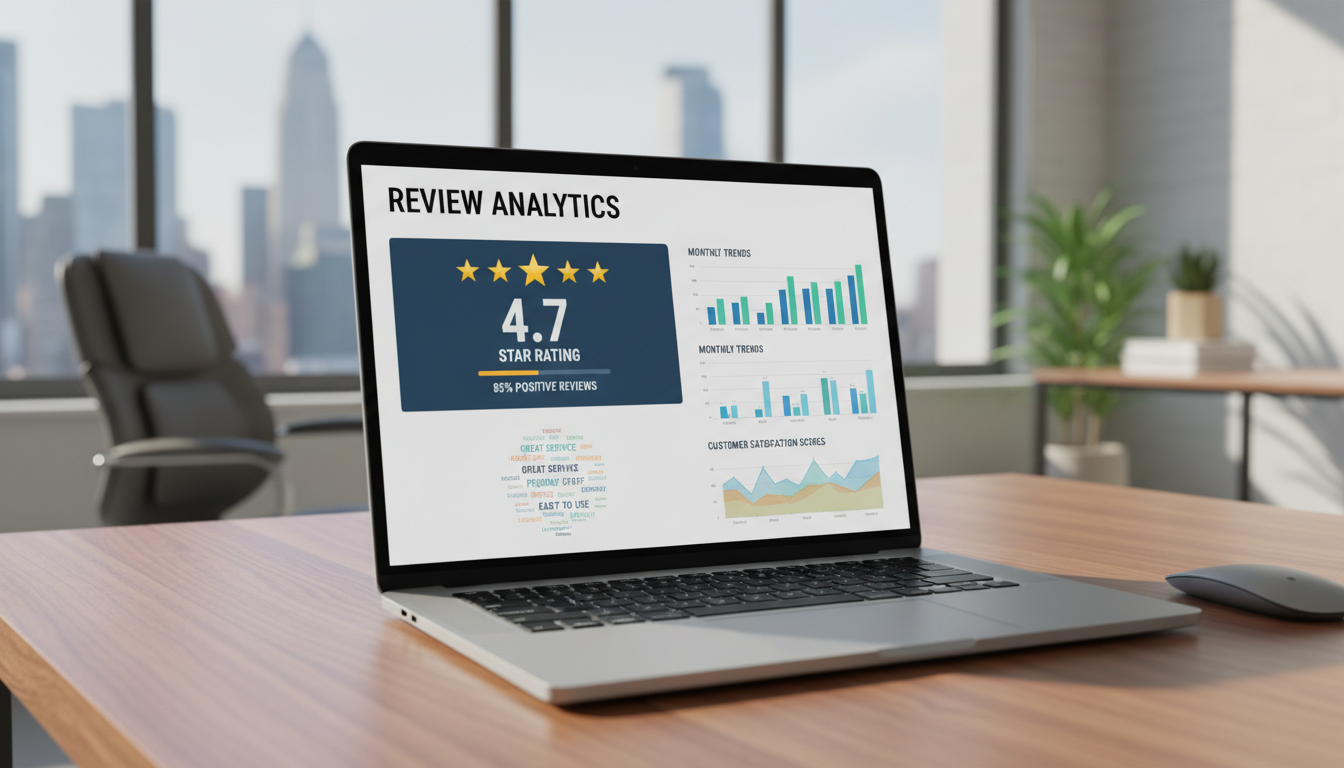
While operational fixes secure your existing customer base, leveraging review analytics for small business can also drive new customer acquisition through search. Customers do not search for businesses using corporate jargon; they use the same natural language found in their peers' feedback. These are your hidden keywords. When a customer in South Philadelphia writes a review praising the fastest emergency drain cleaning in South Philly, they are providing you with a high intent keyword that you should immediately integrate into your website headers, meta descriptions, and Google Business Profile.
Google’s local search algorithm treats these review mentions as signals of relevance and authority. If your reviews frequently mention artisan sourdough or affordable dry cleaning, Google is more likely to feature your business in the Local Pack when a nearby user searches for those exact terms. This creates a virtuous cycle: the more specific your reviews are, the higher you rank for those specific needs. The presence of these keywords in your feedback serves as real world validation for search engines.
To extract these insights, look for high frequency phrases in your Reputation Report. Do not just look for single words; focus on three or four word strings that represent a specific service or location. If your Review Pulse 360 dashboard shows a consistent spike in mentions of the best gluten free pizza in Philly, that is your signal to create a dedicated landing page or blog post for that specific offering. This data driven approach ensures your SEO strategy is grounded in real world demand, making your review management pricing an investment in long term organic visibility rather than just a maintenance cost.
Transforming Review Data into High Performing Marketing Content
Moving from search visibility to customer conversion requires bridging the gap between raw data and creative execution. Review analytics for small business provide a library of pre-validated marketing hooks that resonate because they originated from the customers themselves. When your Reputation Report indicates that clients consistently praise your "fast turnaround" or "transparent estimates," you have found your next high performing headline.
Using the specific vocabulary of your patrons makes your marketing feel like a recommendation rather than a sales pitch. You can take these recurring positive themes and transform them into visual assets for Instagram or targeted Facebook ad copy. For instance, a lawn care service in Chestnut Hill might find that "pet-safe treatments" is a top sentiment driver. Highlighting this exact phrase on a homepage banner directly addresses a primary concern for local homeowners without requiring a creative team to guess what matters to the market.
By integrating these insights into your strategy, you turn static feedback into active social proof that builds immediate trust. This method ensures your brand voice remains grounded in reality. When evaluating review management pricing, consider the value of a tool like Review Pulse 360 that identifies these winning themes automatically, saving your team hours of manual content brainstorming and creative testing.
Automation vs Manual Analysis: Can You Use ChatGPT for Sentiment Analysis?
Using ChatGPT to evaluate customer feedback is a common starting point for owners looking to dip their toes into AI. You can certainly copy and paste a batch of text into an AI prompt to identify general tones, but this manual process is not sustainable for review analytics for small business at scale. For a growing Philadelphia brand, the labor required to export data from 40 plus platforms, scrub it for privacy, and feed it into a chat interface creates a significant operational bottleneck.
The primary limitation of manual AI analysis is the lack of real-time connectivity. A dashboard like Review Pulse 360 operates as a live listening station rather than a static archive. It connects directly to your digital footprint, providing a Reputation Report that updates automatically as new feedback arrives.
Feature | Manual ChatGPT Method | Automated Platform |
|---|---|---|
Data Sources | Single source copy-paste | 40+ platforms synced |
Speed | Delayed (Manual entry) | Instant / Real-time |
Alerts | None | SMS & Email triggers |
Historical Trends | Hard to track over time | Automated visual mapping |
Automated alerts are perhaps the most vital distinction. When sentiment shifts toward the negative, an automated system notifies you immediately. This allows you to address a service failure in Fishtown or a billing issue in Center City before the dip in sentiment permanently drags down your aggregate score. When evaluating review management pricing, prioritize the ability to monitor these shifts without human intervention.
Review Analytics Checklist for Your Next Team Meeting
Transitioning from automated alerts to team strategy requires a structured agenda. Use your monthly review analytics for small business dashboard to drive these discussions. A focused team meeting ensures that data does not sit idle but instead triggers operational changes across your Philadelphia storefronts or service teams. During your next session, review these six metrics to ensure your review management pricing delivers maximum ROI:
Average Rating by Platform: Compare your Google, Yelp, and industry specific scores to identify where local visibility is lagging.
Top Positive Keywords: Note the specific phrases customers use to describe your wins, which informs your next marketing campaign.
Recurring Negative Themes: Pinpoint the top two operational friction points identified in your latest Reputation Report.
Response Rate and Speed: Track how many reviews received a reply within 24 hours to maintain your local SEO standing.
Sentiment Trend Line: Determine if the overall emotional tone is improving or declining compared to the previous 30 days.
Review Volume: Monitor the total number of new requests sent through Review Pulse 360 to ensure your customer feedback pipeline remains active.
Mastering your review analytics is the most effective way to turn customer sentiment into an engine for business growth and SEO success. While these insights are invaluable, the process of tracking and analyzing every detail can be demanding for any small business owner. If you would like professional support to simplify this process, Review Pulse 360 can provide the tools and expertise needed to maximize your online impact. We can help you focus on running your business while we handle the data.