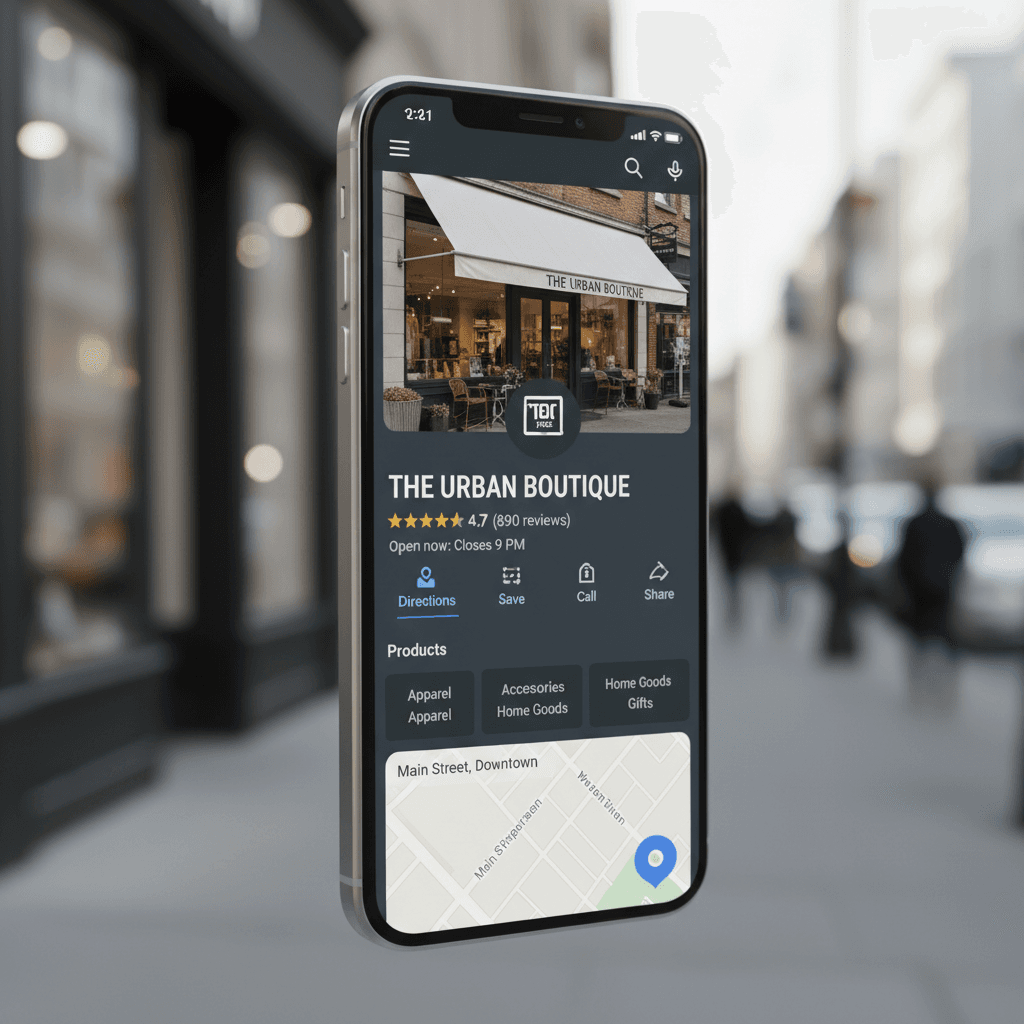

Effective multi-location review management requires centralizing feedback from all business listings into a unified system to ensure consistent monitoring and response standards. Companies must establish clear brand voice guidelines that allow for local personalization; this approach balances efficiency with the authentic, human touch needed to build trust at scale.
Managing reviews for a single storefront is a significant challenge; however, when you scale to fifty or five hundred locations, that challenge evolves into a complex operational bottleneck. Inconsistency in response times or a fragmented brand voice across different regions can quickly erode the hard-earned trust of your local customers. For multi-unit businesses, the stakes are high. A single poorly managed location can tarnish the reputation of the entire enterprise. This guide provides a strategic framework for mastering multi-location reputation management at scale. You will learn how to structure Google Business Profile location groups, navigate the choice between centralized and decentralized management models, and maintain a consistent brand voice without sounding like a generic bot. We will also explore how to leverage sentiment analysis to turn thousands of individual reviews into actionable, portfolio-wide insights.
The Complexity of Managing Reputation at Scale
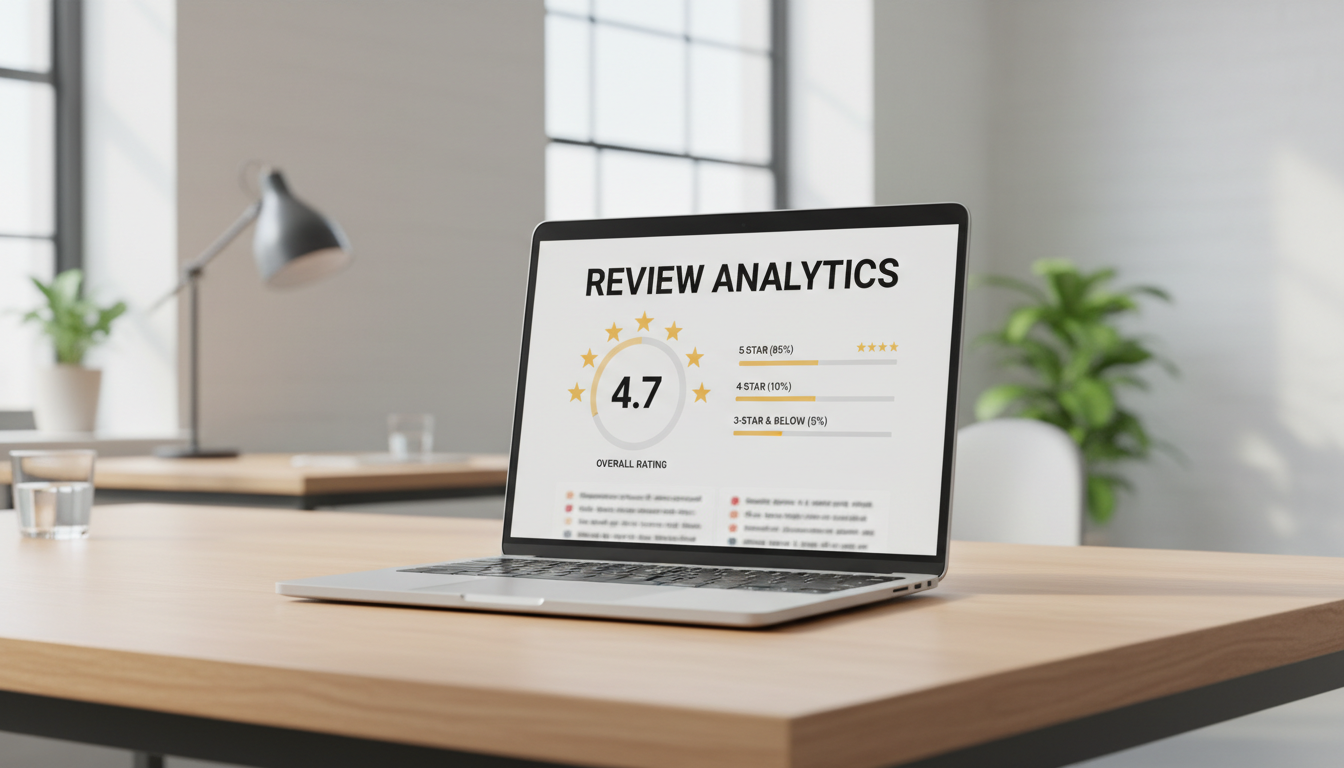
Operating a single storefront allows for a direct, tactile relationship with customer feedback. When an owner-operated shop receives a Google review, the manager likely remembers the specific interaction. However, as a business expands, this intimacy dissolves into a fragmentation problem. A dental group with offices in Rittenhouse and Manayunk faces a bifurcated digital presence; reviews arrive simultaneously across Google, Yelp, and Facebook for both locations, often landing in siloed accounts that are easy to overlook.
This shift transforms reputation management from a manual task into a logistical challenge. Managing one location is about individual relationships; managing five or fifty is about systems. Multi-location reputation management is the strategic process of centralizing this disparate feedback into a single operational view. The goal is to ensure that while the Rittenhouse office maintains its premium, boutique reputation, the Manayunk location isn't suffering from dark spots where negative feedback goes unanswered.
Success requires maintaining the individual health of each storefront while applying a consistent brand standard across the entire portfolio. Implementing a formal multi-location review management strategy prevents local managers from becoming overwhelmed by platform-switching; it also ensures the brand’s overall search visibility remains strong across every zip code you serve. Before scaling further, businesses must bridge the gap between high-level brand oversight and local office authenticity.
Why Multi-unit Businesses Struggle with Review Consistency
Scaling operations often leads to a breakdown in communication standards. A multi-unit brand might have one manager in Center City who responds to Google reviews within two hours, while a suburban location lets feedback sit for weeks. This variance creates a disjointed customer experience that erodes brand equity. Even more damaging is the variation in tone; a formal, polished response at one office contrasted with a defensive or typo ridden reply at another undermines professional trust. Data suggests that businesses responding to at least 75 percent of reviews see a half-star increase in their average rating, yet achieving this consistency across five or more locations requires rigid systems that most growing brands lack.
Beyond individual interactions, "dark spots" pose a systemic risk. If one storefront suffers from a plummeting rating due to local operational issues, it tarnishes the perceived quality of every other location sharing the brand name. Inconsistent data across Google Business Profiles, such as mismatched store hours or outdated contact information, further compounds the issue. This confusion doesn't just frustrate potential customers; it signals to search engines that your business data is unreliable, which negatively impacts your local search rankings. Effectively managing these risks requires a transition to structured multi-location reputation management to ensure the brand remains a cohesive, trusted entity across every zip code.
Setting Up Google Business Profile Location Groups
To eliminate the data silos and dark spots mentioned previously, your technical foundation must be structured for scale. Google Business Profile Location Groups, formerly known as Business Account Groups, act as a centralized folder for your storefronts. This architecture is the primary solution for those wondering how to manage reviews across multiple google business profiles without logging in and out of dozens of separate accounts. By grouping your listings, you create a singular environment where updates to business hours, service descriptions, and review responses can be monitored from a high level.
Setting up a Location Group involves a few specific steps:
Sign in to your Google Business Profile Manager.
Click the "Create group" button or the "Create account" dropdown menu.
Name the group according to your internal hierarchy, such as "Northeast Dental Group" or "Main Line Locations."
Select the specific listings you wish to move and transfer them into the new group.
Beyond bulk management, the most significant advantage of this setup is granular access control. You can grant a regional manager access to the entire group or a local office administrator access to a single storefront within the group. This allows for efficient delegation without ever sharing your master login credentials or compromising account security. This structure serves as the essential first step toward comprehensive multi-location reputation management. Once your listings are organized, you can move from reactive firefighting to a proactive strategy that ensures every location is represented accurately and professionally in search results.
Maintaining Brand Voice without Sounding Like a Robot

Structuring your listings technically is only half the battle; the next challenge is ensuring the words your team types reflect your brand identity. Many businesses fall into the trap of using copy-paste templates to save time, which results in a robotic, sterile presence that customers can spot instantly. To avoid this, successful teams implement a 'Core + Local' framework to maintain authenticity at scale.
The 'Core' element consists of your non-negotiables: your brand mission, core values, and specific phrasing that remains consistent whether a customer visits your office in Manayunk or Rittenhouse. The 'Local' element is where the human connection happens. This involves referencing specific details, such as naming a staff member who provided excellent service or acknowledging a neighborhood specific circumstance that impacted the customer’s visit.
Bridging this gap manually across dozens of reviews is labor intensive. This is where AI-powered response support becomes a critical component of multi-location reputation management. Instead of a manager staring at a blank screen or grabbing a stale template, the system suggests a draft that already incorporates the 'Core' brand voice and values. The manager then provides the 'Local' polish, such as, "I will let Sarah know you appreciated her help with the check-in process today."
This hybrid approach ensures that every response is professionally aligned with the corporate identity while remaining authentic to the local neighborhood experience. By using these intelligent drafting tools, businesses maintain high standards without sacrificing the personal touch that builds consumer trust. It allows for a sophisticated review management strategy that feels personal to every individual customer, regardless of how many locations you operate.
Centralized vs. Decentralized Management: Which is Right for You?
Choosing the right organizational structure determines how effectively a business can scale without sacrificing quality. A centralized model places all review responses in the hands of a dedicated marketing team, perhaps at a Philadelphia headquarters. This ensures perfect brand alignment, flawless grammar, and strict adherence to legal compliance. However, this model often suffers from a lack of local context; a corporate office might not know that a specific plumbing technician in Cherry Hill was delayed by unexpected traffic or that a patient at the Rittenhouse clinic had a particularly complex procedure.
A decentralized approach empowers local store managers to handle feedback. This produces the most authentic and immediate context, but it introduces the risk of inconsistent response times and varying tones. For most service based brands, a hybrid framework is the most effective solution for multi-location review management.
Model | Pros | Cons |
|---|---|---|
Centralized | Brand consistency; professional standards; centralized data oversight. | Potential for robotic tone; lack of specific local knowledge; slower response loops. |
Decentralized | Hyper-local context; faster immediate response; staff accountability. | Risk of dark spots; inconsistent brand voice; takes time away from store operations. |
In a hybrid system, the corporate team provides approved templates and AI powered tools, while local managers add the personal details that drive trust. This balance ensures every location receives expert attention while maintaining the speed required for local SEO growth and a high review management pricing efficiency. By combining high level oversight with local nuance, you bridge the gap between corporate professionalism and neighborhood familiarity.
Leveraging Multi-location Reputation Management Software
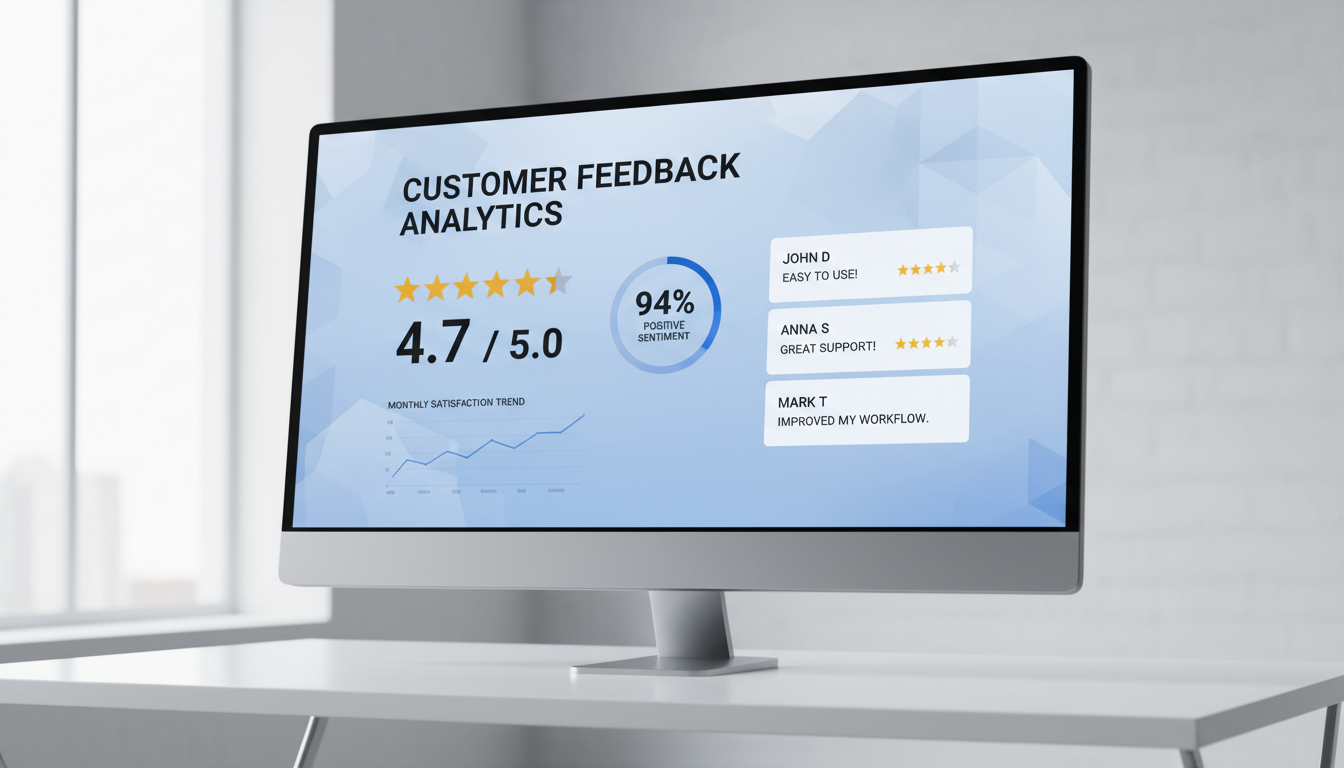
Implementing a hybrid management model requires a technological backbone capable of unifying disparate data streams. A dedicated platform for multi-location review management acts as this central nervous system, aggregating feedback from 40+ platforms, including Google, Yelp, and specialized industry sites, into a single, actionable dashboard. This visibility ensures no storefront is neglected. Real-time alerts notify your team the moment feedback is posted, providing the speed necessary to maintain high response rates across the entire portfolio.
Sophisticated software also offers private feedback tools to catch service failures before they become public liabilities. These tools provide a direct line for disgruntled customers to share their experience, allowing for internal resolution while protecting your public star rating. To sustain growth, look for automation that triggers SMS and email requests at the point of sale. This ensures every zip code you serve generates a consistent volume of fresh content, which is a vital factor for local SEO visibility. Understanding review management pricing structures for these tools is an essential step in moving from manual oversight to a scalable, automated engine for growth. Before committing, businesses should analyze their current standing with a free reputation report to identify specific gaps in their multi-unit strategy.
Analyzing Sentiment Across the Entire Portfolio
Centralizing your feedback through multi-location review management provides more than just a clean dashboard; it offers a high-level diagnostic tool for your entire operation. When you aggregate data, patterns emerge that are invisible at the store level. For instance, if three out of five locations receive consistent praise for their friendly check-in, while a fourth is repeatedly flagged for long wait times, you have identified an operational friction point rather than a localized PR problem.
Effective analytics allow you to isolate these variables. You can then use your top-performing storefront as a blueprint. If the Rittenhouse office maintains a 4.9-star rating with specific mentions of efficient billing, their internal workflows should be documented and scaled to the rest of the brand. This data-driven approach turns multi-location reputation management into a continuous improvement cycle. By comparing sentiment trends against staffing levels or regional training protocols, you move beyond reacting to comments. To see where your portfolio stands today, generating a free reputation report can pinpoint which locations are setting the standard and which require immediate operational adjustment.
Scaling your reputation across multiple branches requires a careful balance between local authenticity and brand consistency. By implementing systematic monitoring and personalized response strategies, you can ensure every customer feels heard while maintaining your unique professional identity. If you find the complexity of managing dozens of locations overwhelming, you might consider seeking a more streamlined approach. If you want expert help refining your strategy and maintaining a cohesive voice across every platform, Review Pulse 360 offers the tools and guidance needed to simplify your workflow and protect your growing brand.